A logo can look right on screen and still be wrong for the label that reaches the sewing line. The finished width, fold, attachment point and artwork version all need approval. For private label clothing labels, that approval should cover the physical item and the information printed or woven into it—not just the brand mark.
This guide helps clothing buyers prepare one shared specification for brand labels, care labels, size labels, hang tags and packaging before bulk production.
1. Why Label and Packaging Approval Matters
A neck label approved before a size change may no longer fit the intended neckline. A hang tag can carry the correct logo but the wrong SKU. Packaging can fit a T-shirt and be too small for the folded version with its accessories attached. These are separate decisions, and a single “looks good” message does not resolve them.
Keep the artwork proof, component specification and attachment drawing together. Identify who approves each part. That gives the brand, trim supplier and clothing manufacturer the same reference when a revision arrives.
2. Types of Labels Used in Private Label Clothing
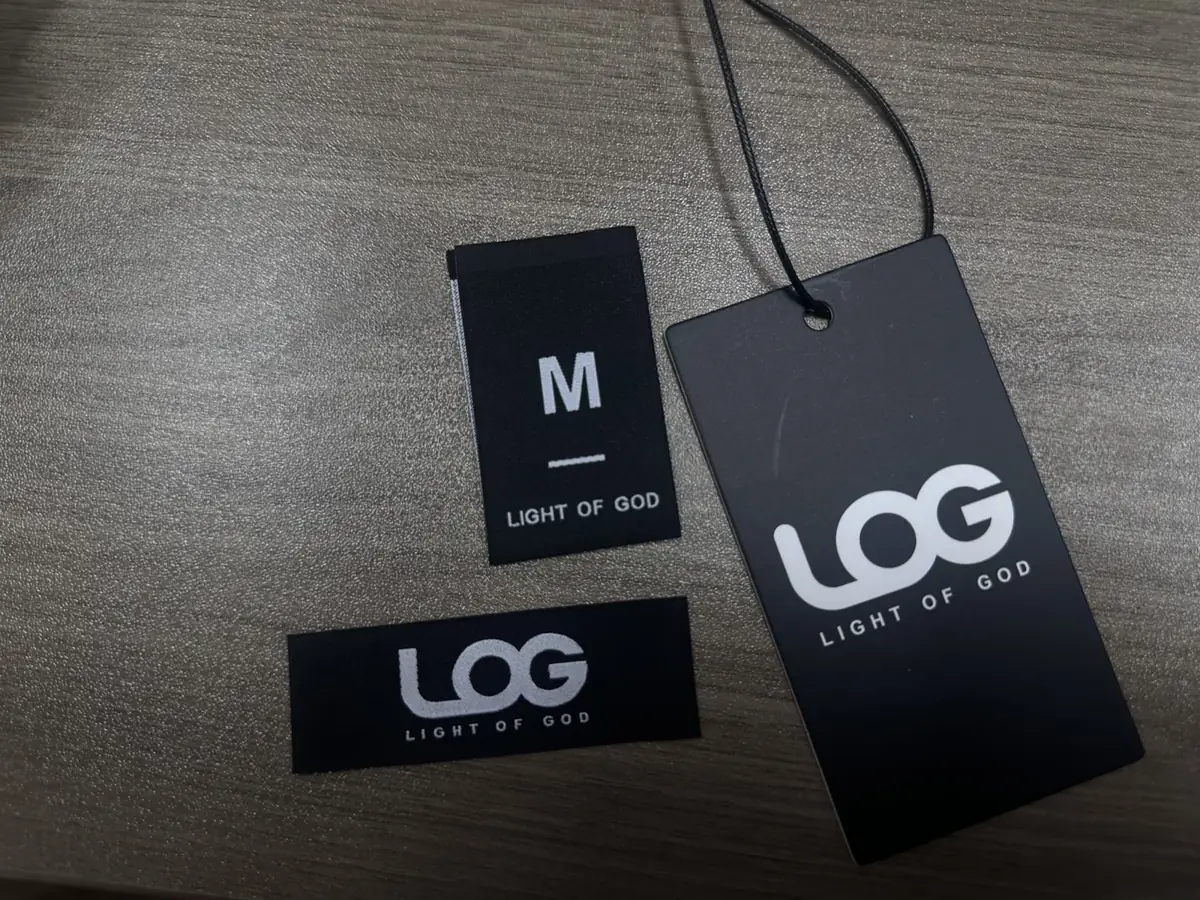
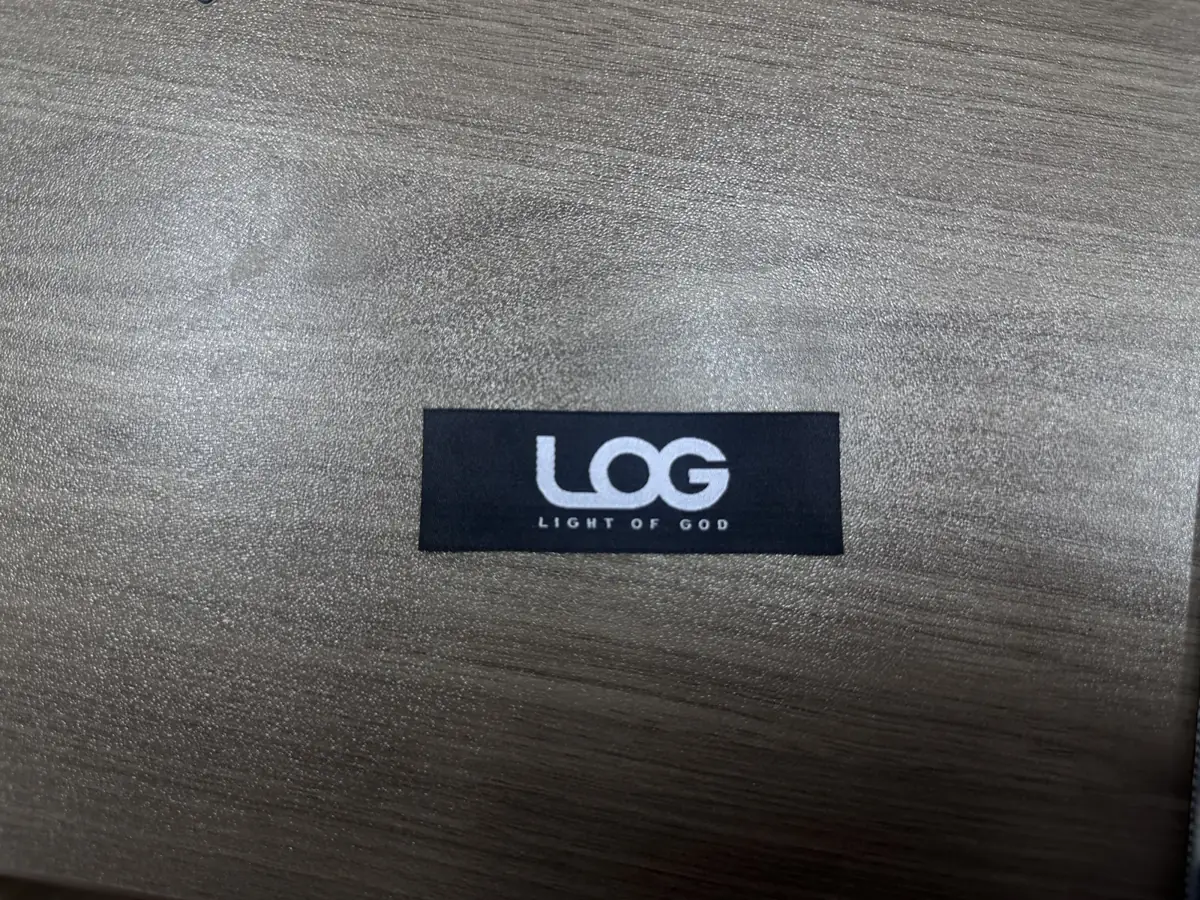
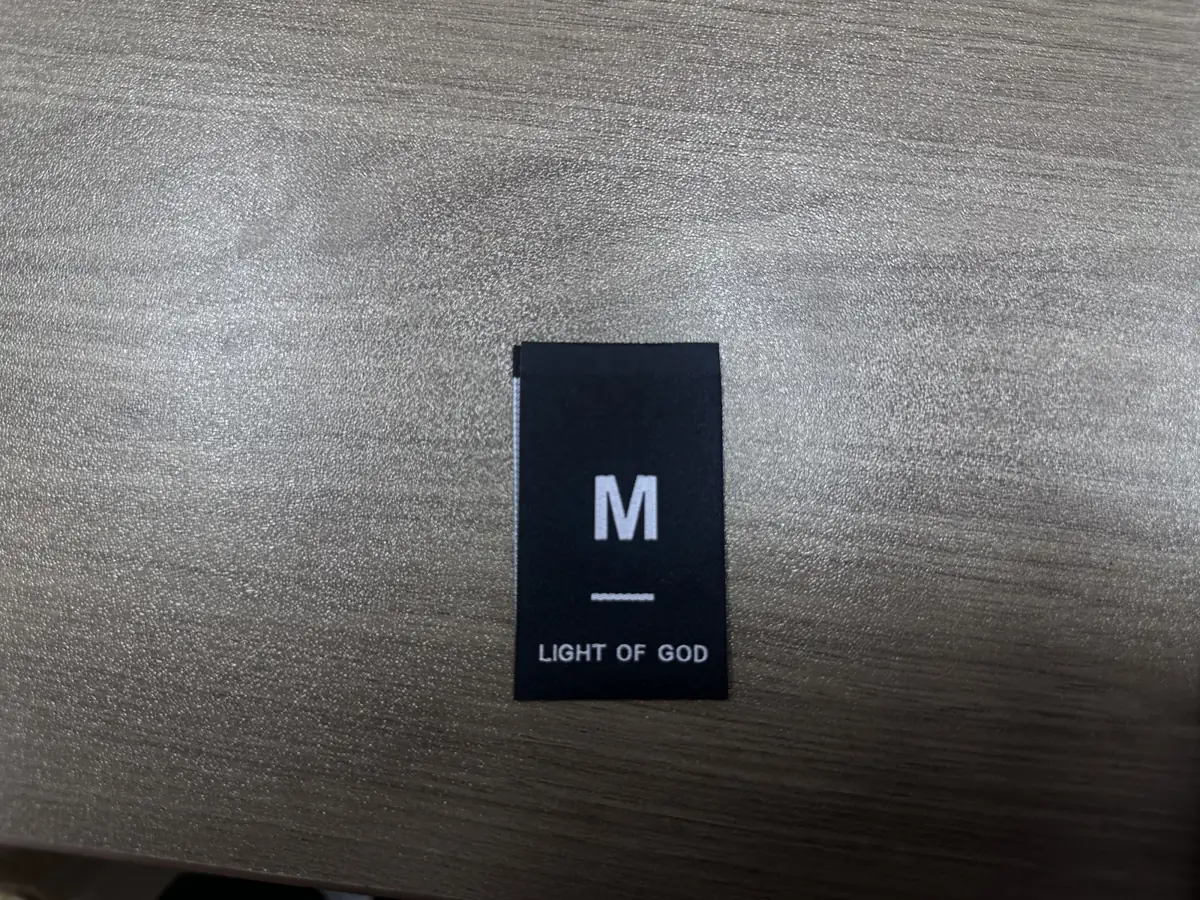
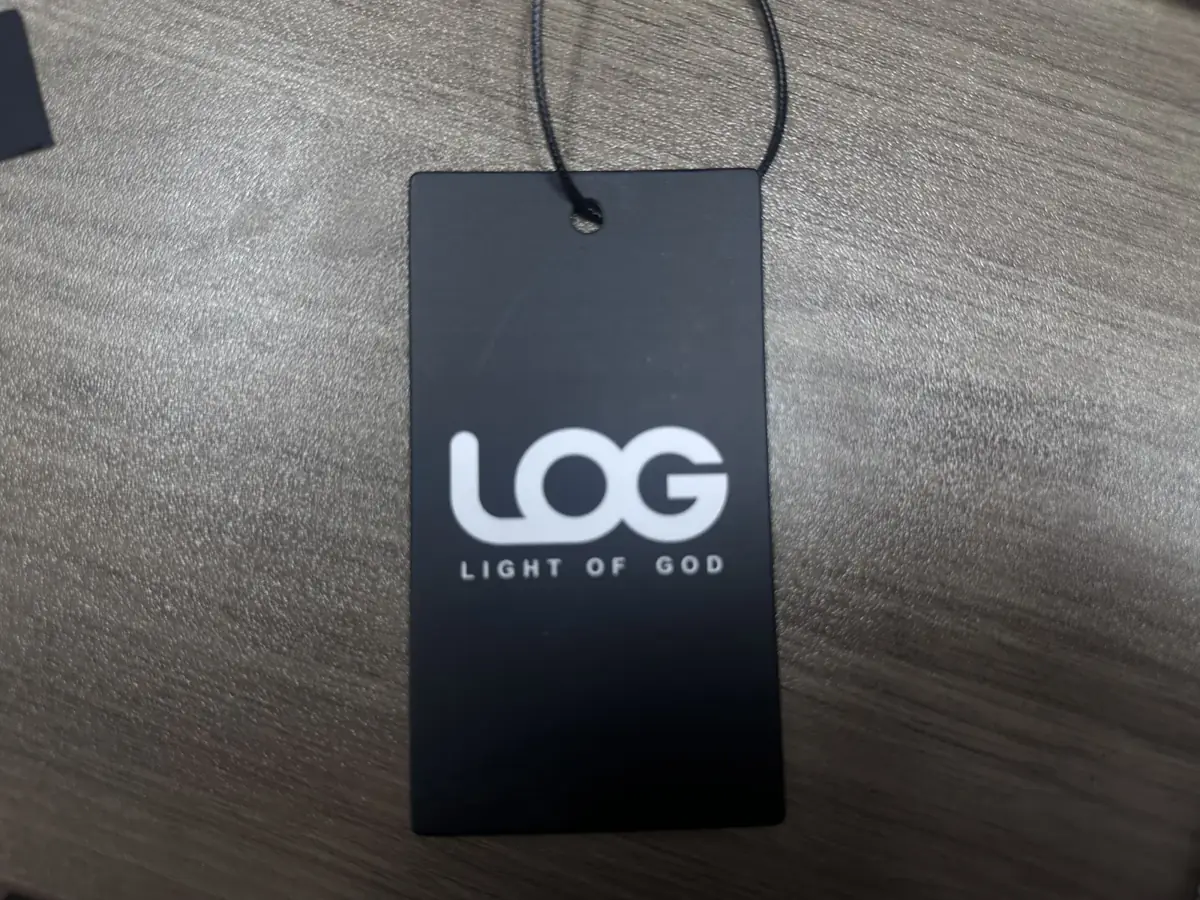
The photographs supplied for this guide show a fabric brand label, an M size label and a hang tag with a cord. They illustrate separate components to approve; they do not establish material composition, dimensions or wash performance. Care labels and packaging are not pictured.
Main Brand Labels
For a woven or printed brand label, state the finished dimensions and whether it is flat, end-folded or centre-folded. Specify the attachment location and which edges are sewn. A fold or seam allowance can hide lettering if the artwork is measured only edge to edge. Review legibility on a physical sample where fine lettering matters.
Care and Composition Labels
Confirm the fibre composition against the approved garment material, including any components requiring separate declarations. Care instructions should be appropriate for the finished garment, including decoration and trims. Do not copy another product’s care text simply because the main fabric sounds similar.
Requirements vary by destination market. The US FTC clothing and textiles guidance covers textile identification and care labelling; the EU textile labelling guidance addresses fibre composition requirements. Confirm applicable wording, languages, origin information and placement for your sales market before approval. An artwork proof is not a declaration of universal legal compliance.
Size Labels and Printed Neck Labels
Map each label to the order’s actual size breakdown. “M” identifies a size designation; it does not define a measurement chart. For a printed neck label, review the method, artwork area, readability and feel on the chosen garment fabric. Confirm any required information remains available in the approved format.
Hang Tags
Supply front and back artwork, finished size, hole position and attachment instructions. Clarify whether the tag is common to all garments or varies by style, colour or size. Where barcodes or QR codes are used, test the final printed proof rather than only the original digital file.
3. What to Include in Your Artwork Files
Send editable vector artwork where suitable, plus a clearly named PDF proof. Outline fonts or provide agreed font files. Include a dimensioned drawing showing finished size, folds, stitch areas, hole position and the visible artwork area. Keep production artwork separate from a photograph showing placement.
Specify how colour will be approved: a physical reference, an agreed colour code and a component sample can serve different purposes. A screen colour alone does not settle thread or ink matching. A label and hang tag can use the same logo file yet look different because their substrates and processes differ.
Use an unambiguous version, such as Style-A_main-label_v03_approved.pdf. The name is an example, not a required format. Withdraw superseded files, and record exactly what an approval covers. A digital layout approval should not silently become approval of material, colour and attachment.
4. Packaging Options for Clothing Brands
Start with the garment’s folded dimensions and distribution requirements. Discuss individual bags, resealable bags, paper-based packaging or boxes as options to confirm with the supplier. Specify closure, dimensions, printing, stickers and any inserts. Check one packed garment before approving the complete packaging set.
Record the relationship between garment, size sticker, SKU label and carton contents. If a retailer or fulfilment platform provides packaging instructions, send that specification rather than relying on “standard packaging.” Packaging artwork approval is separate from shipping terms, carton weights and transport arrangements.
Claims such as recycled, recyclable or certified need supporting evidence for the actual material and claim. Do not add a symbol or certification logo to the artwork merely because it appears in a reference photograph.
5. Pre-Production Artwork Approval Checklist
Use one sheet per component or clearly identify each component in a shared sheet. The buyer should appoint the approver; the manufacturer records the exact revision released to production.
| Approval item | What to confirm | Evidence to keep |
|---|---|---|
| Component and scope | Brand label, care label, size label, hang tag or packaging; applicable styles and colours. | Component ID and linked garment specification. |
| Dimensions | Finished width and height, folds, seam allowance and visible artwork area. | Dimensioned drawing with units. |
| Placement | Location measured from a named seam or reference point; orientation and sewn edges. | Annotated garment drawing or sample. |
| Colour | Thread or ink reference, substrate colour and agreed matching method. | Approved physical reference or component proof. |
| Material and method | Agreed label substrate, woven/printed method, tag finish or packaging specification. | Supplier specification and approved sample. |
| Text and market | Brand spelling, size, fibre/care/origin wording and destination requirements. | Reviewed text file and market-specific sign-off. |
| Codes and variants | SKU, barcode or QR destination; correct mapping across sizes and colours. | Variant list and final-proof scan check. |
| Quantity | Pieces per variant, supplier minimums and any agreed spare allowance. | Approved order breakdown. |
| Version | Latest file ID; older revisions withdrawn; precise approval scope. | Dated final artwork and revision record. |
| Approval owner | Named approver, approval date and outstanding conditions. | Written production-release confirmation. |
An approval note should say which file, component and sample it covers. For example: “Release Style-A main label v03, with the finished dimensions and placement shown in the approved drawing; colour follows component sample C02.” Use your own actual references and keep unresolved decisions outside the release.
6. Common Mistakes That Delay Bulk Production
Sending a new logo without changing the file version leaves two possible instructions. Approving only one size label leaves the remaining sizes unresolved. Sending a photograph without dimensions makes the supplier guess the finished scale. Signing off the bag artwork without checking the packed garment leaves fit untested.
Late changes to care text or a barcode can also affect components already ordered. Before changing an approved file, ask what has been made, what can be revised and whether quantities or schedules need reconfirmation. Do not assume a text change is cost-free after production release.
7. How HaoboMFG Supports Private Label Development
HaoboMFG’s private label clothing manufacturing service coordinates garment development with brand labels, care labels, hang tags and packaging requirements. Share the component brief alongside your garment design so material, attachment and branding decisions can be reviewed together.
Through our OEM and ODM clothing services, the development scope is discussed against your design files or references. During clothing sample development, specify which labels and packaging must be represented in the sample and which proofs need separate approval.
8. Frequently Asked Questions
Is a logo file enough to order custom clothing labels?
No. Also supply finished dimensions, label method, folds, placement, colour references, quantities and a clear approval version.
Can I approve every component from a digital proof?
A digital proof can confirm layout and wording. Material, feel, colour and attachment may require physical samples. State the scope of each approval.
Should a hang tag and size label have separate quantity lists?
Yes, when their variants differ. A common hang tag and size-specific labels need different breakdowns even when they belong to the same garment order.
Does approving artwork mean the labels meet every country’s rules?
No. Confirm the applicable destination-market requirements separately. The final wording must match the actual garment and approved sales-market brief.
What should I send to start a labels and packaging enquiry?
Send garment designs, artwork, intended sales markets, estimated quantities, size/colour breakdowns and packaging requirements. Include existing approved samples or specifications where available.
Need Custom Labels and Packaging for Your Clothing Brand?
Send your garment designs, artwork files, estimated quantities and packaging requirements. Our team can review the specifications and discuss suitable production options.