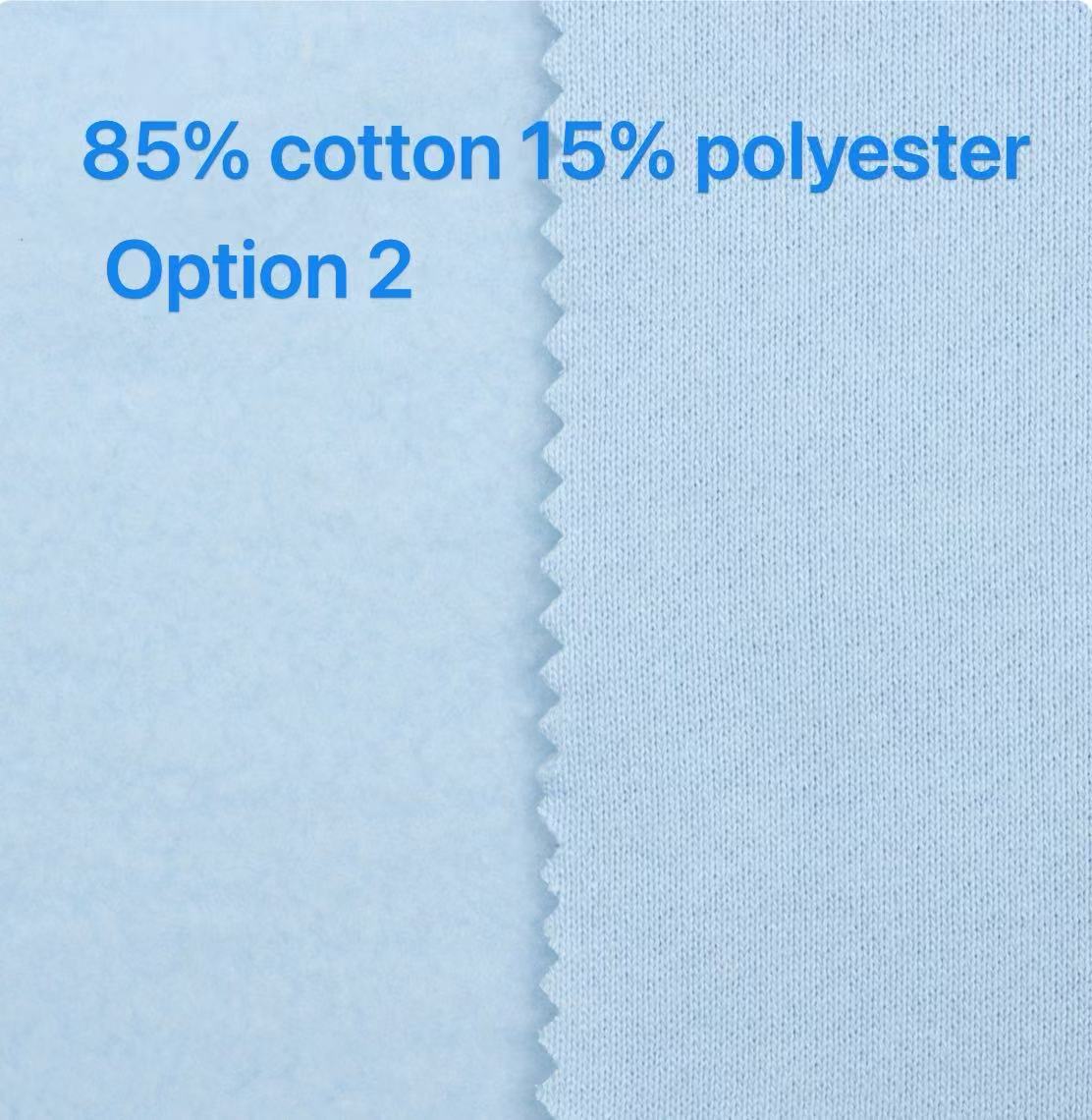
A fabric supplier offers a colour close to your reference, but the hand feel is different. Another supplier can develop the colour you want, provided you purchase more material than your first clothing order needs.
For a small clothing brand, this is a purchasing decision with consequences beyond the garment price. The fabric route affects which details you can control, what must be approved before sampling, and whether you will own unused material after production.
Start by deciding what the collection cannot compromise on. Is it an exact brand colour, a particular surface texture, the weight of the garment, or the amount of money committed to the first run? That answer helps determine whether stock fabric or custom dyeing deserves closer investigation.
What Stock Fabric and Custom-Dyed Fabric Mean
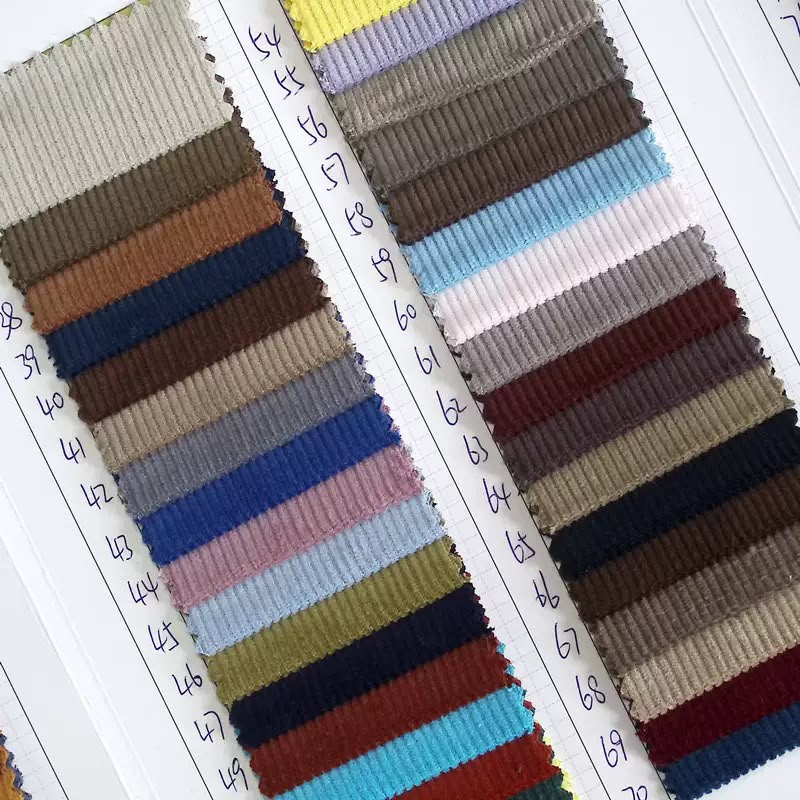
Stock fabric is material already available for purchase in an existing specification and colour. Buyers choose from what the supplier currently holds, subject to availability and purchasing conditions.
Stock fabric does not mean ready-made garments. The clothing can still be cut and sewn to your approved design using an available material.
A colour card does not prove that enough fabric remains for your order. Ask whether the quantity is physically available, whether it belongs to one dye lot, and how it can be reserved. Also distinguish stocked material from a regularly offered quality that the supplier still needs to produce.
Custom-dyed fabric is material dyed to an agreed colour reference for the order. The reference might be a physical swatch or an identified textile colour standard. The buyer and supplier must agree how the colour will be assessed.
Custom dyeing does not automatically mean a custom-developed fabric. A supplier may dye an existing base quality without changing its composition, knit or weave structure, or weight. Developing those properties can involve separate purchasing requirements.
This article concerns fabric dyed before garment production. Dyeing completed garments is a different route and should be evaluated separately.
Garment MOQ Does Not Determine the Fabric Purchase
A garment factory’s minimum order quantity and a fabric supplier’s minimum purchase are separate conditions.
HaoboMFG’s regular starting garment MOQ is 50 pieces per style and colour, subject to the fabric, construction, decoration and production requirements. It does not mean every fabric or colour can be sourced in exactly the quantity needed for 50 garments.
Fabric may be sold by weight, length, roll or another agreed unit. A minimum can apply to one colour, one quality or a production batch. The relevant conditions must come from the actual supplier quotation.
Nor can a garment count be converted into a reliable fabric requirement without reviewing the pattern, size allocation, usable width and cutting plan. Process allowances and the treatment of defects or shade differences also need consideration.
For small-batch clothing manufacturing, ask two questions together: “Can this garment quantity be produced?” and “What material purchase makes that quantity possible?”
A Practical Comparison
| Purchasing decision | Stock fabric | Custom-dyed fabric |
|---|---|---|
| Colour choice | Existing available colours | A colour developed against an agreed reference |
| Fabric specification | Limited to available qualities | Dyeing may use an existing base; other specification changes require separate confirmation |
| Purchasing minimum | Depends on the supplier’s cutting, roll and colour conditions | Depends on the base material, colour and dyeing arrangement |
| Approval evidence | Current swatch, specification and available-lot confirmation | Base-fabric confirmation, colour approval and review of the bulk material |
| Cost items to clarify | Material price, cutting or handling charges, allocation and delivery | Material price plus applicable development, dyeing, handling and delivery charges |
| Unused material | Possible where purchase units exceed consumption | Possible where the required purchase exceeds the garment order’s needs |
| Reorder uncertainty | Original stock or dye lot may no longer be available | Repeat colour and base availability still require confirmation |
| Useful starting point | A collection with flexibility on colour or available material | A collection where colour control justifies the purchasing commitment |
For a first small-batch order, start by checking whether an available fabric can meet your essential requirements. If a specific brand colour is non-negotiable, compare the custom-dyeing conditions before approving the garment quantity. The right choice is the one that satisfies your product brief without creating an unplanned material commitment.
Neither route guarantees a lower total cost or a particular delivery date. Compare written options for the same garment brief.
Decide What Must Match—and What Can Change
Colour is often the first detail discussed, but approving it independently of the fabric can create a poor match to the intended garment.
Composition describes fibre content. It does not fully describe softness, stretch, surface appearance or how the garment hangs.
GSM describes fabric mass per unit area. Two fabrics with the same GSM can have different thickness, firmness and drape because their yarns, structures and finishes differ.
Structure matters to the product: jersey, piqué, rib and French terry are not interchangeable simply because their composition and weight are similar.
Hand feel is difficult to approve from a photograph. Use a physical reference where possible, and explain whether you want a dry, smooth, soft, firm or brushed surface.
Build a short priority list before reviewing alternatives. For example:
- Required: the agreed knit structure and intended garment shape.
- Preferred: a close match to the reference hand feel.
- Flexible: the shade, within a selection the brand is willing to approve.
This is an illustrative purchasing approach, not a specification recommendation for every product. A collection built around a distinctive brand colour may place colour at the top instead.
An attractive stock shade is not a useful saving if the fabric produces the wrong silhouette. Equally, paying for custom dyeing may add little value when the buyer would accept an available colour on the right base.
Compare the Material Commitment, Not Only the Unit Price
For a small order, ask the quotation to show how much fabric you must buy—not just the fabric price per unit.
A useful comparison includes the purchase quantity, expected garment consumption, applicable development or processing charges, material delivery, and the treatment of any balance. Consumption estimates should remain provisional until the relevant production details are settled.
Consider this hypothetical scenario: a brand plans one style in two colours. One colour is available on a suitable stock base; the second requires custom dyeing. The finished garment quantities are equal, but the material commitments may differ.
The buyer should request separate options rather than assume both colours share the same purchasing conditions. Possible decisions include approving an available shade, changing the colour plan, or purchasing the required material balance for an agreed future use. None should be treated as automatically available.
Unused fabric is not necessarily waste, but it is an asset the brand may have to fund and manage. Confirm:
- Who owns the balance and how its quantity is recorded.
- Where it will be stored and whether charges apply.
- How it will be identified by quality, colour and lot.
- What happens if it is damaged, deteriorates or is no longer required.
- Whether it can be used for a future order, subject to inspection.
A future reorder is a possibility, not a reason to describe excess fabric as cost-free.
Approve the Fabric Before Treating the Sample as Final
A development sample can help review shape and construction even when the intended material is not yet available. Its purpose must be clear.
If substitute fabric is used, record which decisions the sample can support. Approval of its fit or pocket construction should not silently become approval of a different bulk fabric.
During clothing sample development, keep the material reference alongside the pattern and revision record. Fabric changes can affect drape, stretch, sewing behaviour and the finished measurements.
For stock material, confirm that the approval swatch represents the proposed purchase lot. A showroom cutting from an earlier delivery may not establish the shade of current stock.
For custom dyeing, agree whether a lab dip will be supplied and how it will be assessed. A lab dip is a colour-development sample; it does not approve every characteristic of the eventual bulk fabric. Review the actual material before cutting, using the checks agreed for the product.
Where a pre-production sample forms part of the order, state which production materials it must use and what remains open. Changes after approval should identify any effect on price, material allocation or the production arrangement.
Fabric Purchasing Approval Checklist
Before releasing the material purchase or authorising cutting, record:
- Identity: supplier reference, composition, structure, target weight and finish.
- Physical reference: approved swatch or sample, with a version or date.
- Colour: reference, proposed lot, assessment method and approval status.
- Quantity: purchasing unit, minimum, consumption basis and allowances.
- Commercial scope: included charges, exclusions and payment conditions.
- Reservation: what is allocated, for how long, and under which conditions.
- Sample status: actual or substitute material, with remaining approvals listed.
- Performance checks: agreed wash, dimensional or other requirements, with evidence where required.
- Balance: ownership, storage and future-use arrangements.
- Release authority: who approves purchasing, substitutions and cutting.
For private-label clothing development, review label content against the approved material. A change in composition should trigger a review of the relevant product and care information.
Frequently Asked Questions
Can a 50-piece clothing order use custom-dyed fabric?
Potentially, but the garment quantity alone does not establish feasibility. The fabric supplier’s minimum, base availability and processing conditions must be checked. A separate material purchase may be necessary.
Is stock fabric always cheaper?
No. Compare the total commitment for a suitable material, including purchasing units and applicable charges. A cheaper fabric that fails the product brief is not an equivalent option.
Does custom dyeing guarantee an exact colour match?
It should follow an agreed reference and approval process. Establish assessment conditions and acceptable variation rather than relying on a screen image or an undefined promise of an exact match.
Can I reorder the same stock fabric later?
Ask the supplier. The original quantity, quality or dye lot may no longer be available. A retained approved swatch helps assess a later delivery but does not guarantee supply.
Should I approve a sample made from substitute fabric?
You can approve clearly identified aspects of development. Record what remains unapproved, and assess the intended production material before treating the garment specification as complete.
Discuss the Fabric Route for Your First Order
Planning a small clothing order? Send HaoboMFG your design references, preferred fabric, target colours and estimated quantities by style and colour. We can review the sourcing requirements and discuss sampling options before you commit to a material purchase.
Include a physical reference if available, and identify which details are essential and which can be reviewed. Material availability, minimum purchases and commercial conditions need confirmation for the proposed option.
Contact HaoboMFG to discuss your fabric and small-order requirements.