A strong clothing sample does more than show what a design may look like. It turns an idea into a garment that can be measured, fitted, reviewed, priced, and prepared for production. For a fashion brand, choosing the right clothing sample developers is therefore one of the most important decisions between initial inspiration and bulk manufacturing.
HaoboMFG can begin with a reference image, sketch, existing garment, or complete tech pack. The amount of information supplied may differ, but the objective remains the same: define the product clearly enough to create a reliable sample and a repeatable production standard.
What clothing sample developers contribute to a fashion brand
A reference image communicates direction, but it rarely contains every detail required to manufacture a garment. It may show the silhouette and styling while leaving the fabric weight, internal construction, seam type, measurements, tolerances, labels, or finishing method undefined.
The development team fills that gap by turning visual information into production decisions. A good developer does not simply copy what is visible. The team asks how the garment should fit, how it should perform, what price level it needs to meet, and which construction methods can be reproduced consistently.
This work reduces uncertainty before bulk production. It also creates a common reference for the brand, pattern maker, sample room, sourcing team, sewing line, and professional QC team.
Can a clothing sample be developed from a reference image?
Yes. Many brands contact us with an inspiration image, screenshot, hand drawing, or photo of an existing garment. A full tech pack is helpful, but it is not always required at the beginning.
When development starts from an image, we first identify the visible product features: silhouette, length, volume, panel lines, pockets, waistband or collar construction, closures, artwork placement, and other recognizable details. We then list the specifications that cannot be confirmed from the image alone.
Information that improves an image-based development request
- Target customer and intended fit
- Preferred fabric composition, weight, stretch, and hand feel
- Base size and size range
- Required colors and approximate order quantity
- Logo, print, embroidery, label, and packaging requirements
- Target market, price positioning, and delivery destination
If some details are missing, our product development team can help organize them step by step. However, the brand still needs to approve the important design and commercial decisions. Clear approvals prevent a sample from becoming a series of guesses.
From reference image to production-ready sample
1. Review the design and intended use
The first step is to understand what the garment is expected to do. Casual trousers, activewear, structured outerwear, and uniforms may look simple in a photograph, but they require different fabrics, seam strength, ease, finishing, and testing considerations.
We review the reference and identify the product category, construction difficulty, customization, and likely development risks. If the original idea is not practical for the intended fabric or budget, this is the right stage to discuss alternatives.
2. Define measurements and fit
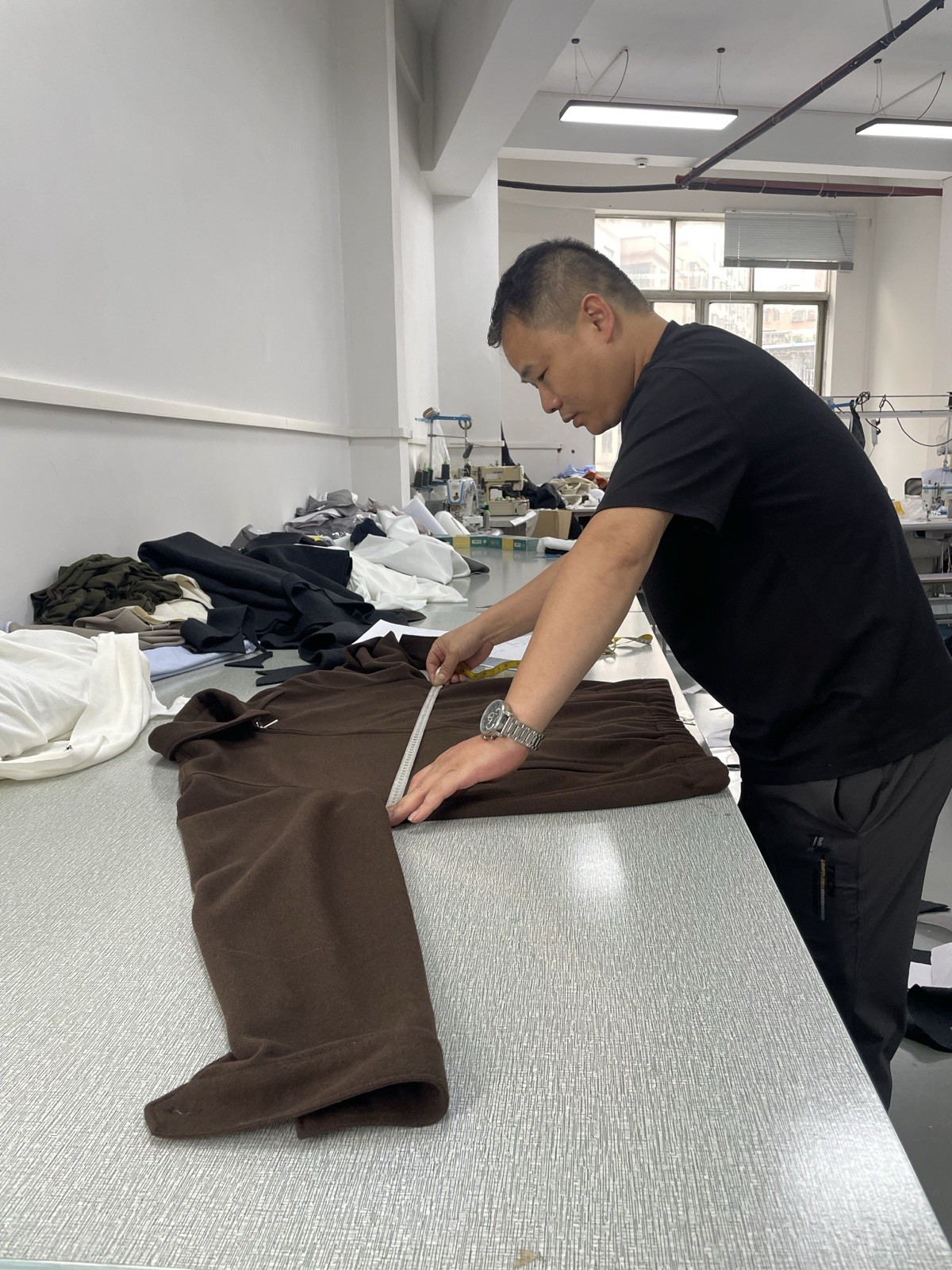
Images do not provide reliable measurements. The brand may supply a measurement chart, a physical reference sample, or body measurements for the target customer. If no complete specification is available, a base-size measurement plan must be established before pattern making.
Fit descriptions such as slim, regular, relaxed, or oversized are useful, but they are not enough on their own. Chest, waist, hip, length, shoulder, rise, inseam, sleeve, opening, and other product-specific points need measurable values.
3. Select fabric, trims, and decoration
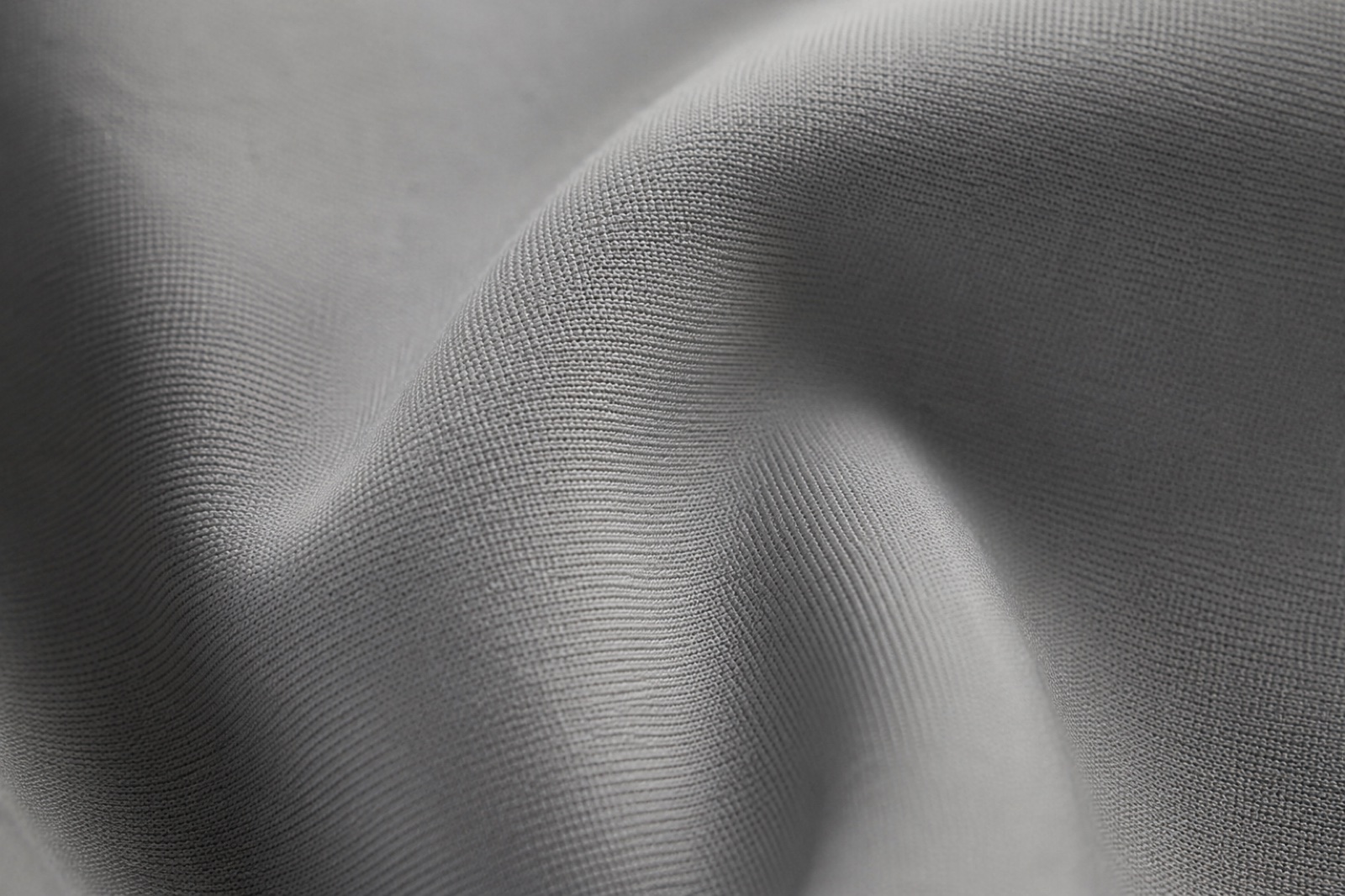
Fabric affects drape, fit, shrinkage, durability, appearance, and cost. A reference photo may suggest a fabric type, but it cannot accurately communicate GSM, composition, stretch recovery, surface finish, or hand feel.
Our sourcing team can review suitable fabrics and trims based on the target look and use. This may include main fabric, lining, rib, elastic, zippers, buttons, drawcords, labels, hangtags, and packaging. Printing and embroidery methods are also confirmed according to the artwork and base material.
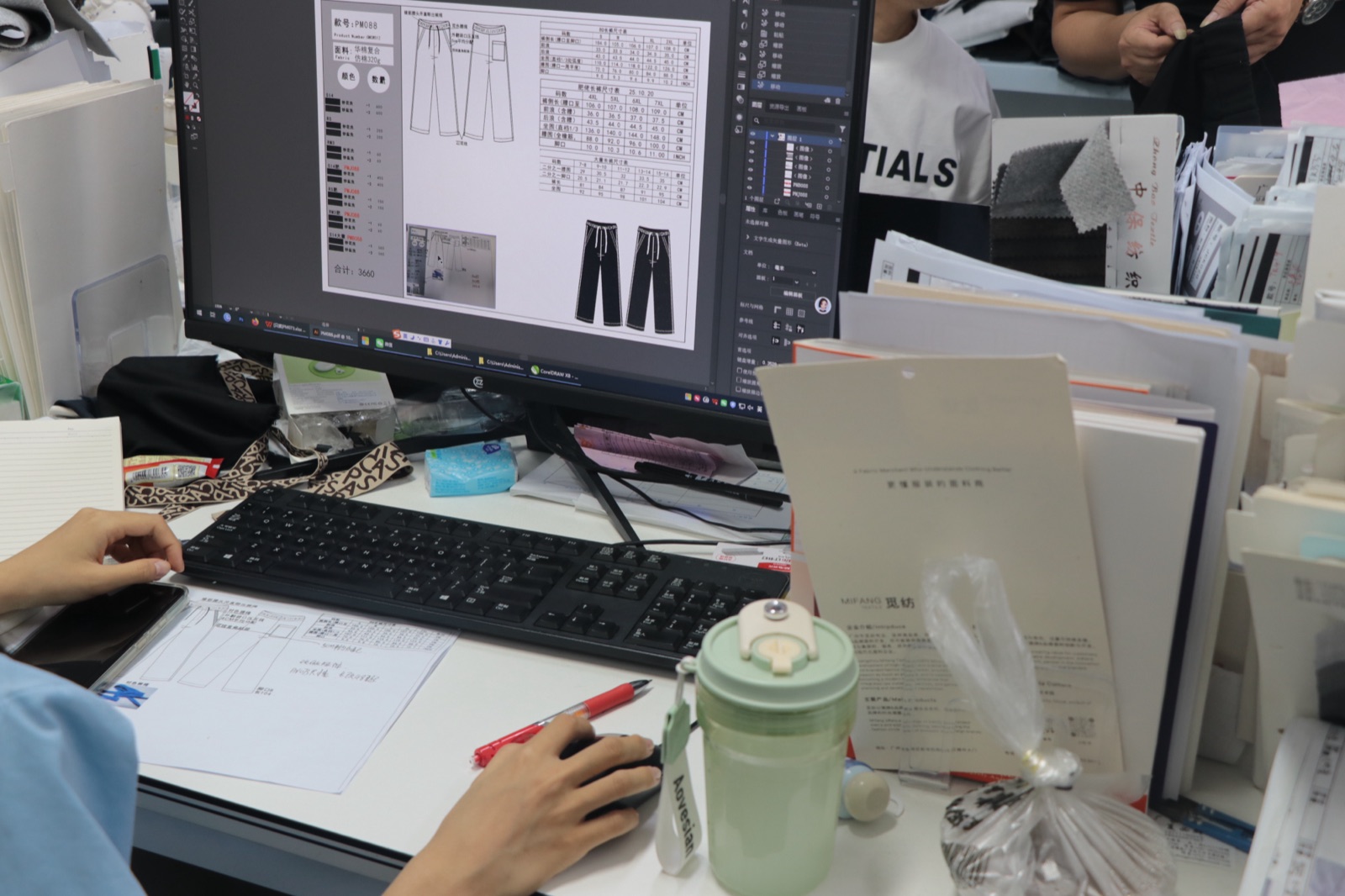
4. Create the pattern and sample instructions
The pattern converts measurements and style lines into garment pieces that can be cut and sewn. At the same time, the development file records construction details such as seam type, stitch type, pocket placement, topstitching, reinforcement, and finishing.
This technical interpretation is where experienced clothing sample developers add considerable value. Two garments can look similar from the outside while using very different internal construction and production methods.
5. Sew and inspect the first sample
The sample room cuts and assembles the garment according to the confirmed development information. Once complete, the sample is checked against the measurements, visual reference, workmanship requirements, fabric behavior, and decoration placement.
HaoboMFG’s sample development target is within 15 days after the design, materials, measurements, and decoration details are confirmed. A delay in approvals or a special material that must be custom developed can affect the schedule, so confirming the input information early is important.
6. Review fit and record revisions
The brand should review the sample on the intended body or fit model whenever possible. Feedback should be specific and consolidated. Instead of saying that an area “does not look right,” mark the location, explain the desired result, and provide a measurement change when appropriate.
Revision notes may cover fit, length, proportion, fabric, color, construction, artwork, labels, or finishing. The purpose of the revision stage is to produce an approved standard, not to make uncontrolled design changes throughout development.
Why samples sometimes require more than one round
A first sample is an important development tool, but it is not automatically a final production sample. Additional rounds may be necessary when the brand changes the design, the fabric behaves differently than expected, fit feedback requires pattern adjustment, or decoration needs testing.
Common causes of avoidable revisions include incomplete measurements, unclear artwork files, changing fabric after pattern development, contradictory comments from several team members, and approvals based only on photographs instead of the physical sample.
A more efficient process uses one decision-maker, one consolidated comment sheet, clear photographs, and updated measurements. This gives the sample room a precise revision target.
What should be approved before bulk production?
Before placing the bulk order, the brand and manufacturer should have an agreed standard for the garment. The approved sample is central to this standard, but supporting information is equally important.
- Final design, construction, and measurement specification
- Approved fabric, color, trims, and decoration
- Size range and grading rules
- Labels, hangtags, packaging, and carton requirements
- Order quantity and size-color breakdown
- Measurement tolerances and quality expectations
- Delivery method, destination, and required date
At HaoboMFG, the minimum order quantity is 50 pieces per style and color. The final allocation by style, color, and size depends on the selected fabric and customization requirements. Bulk production is normally completed in about one month after sample approval and material confirmation.
How quality control connects sampling to bulk production
The approved sample gives production and QC teams a physical benchmark. During bulk manufacturing, our professional QC team checks materials, measurements, workmanship, and consistency at key stages rather than waiting until every garment is packed.
Checks can include incoming fabric and trim review, cutting and sewing observations, in-line measurement and workmanship inspection, and final inspection before packing. When required, a third-party inspection can also be arranged.
This connection between development and QC is important. If the sample standard is unclear, bulk inspection also becomes unclear. Precise development therefore supports both product quality and more efficient communication.
How to choose clothing sample developers
Look beyond the promise to “make a sample.” A suitable partner should be able to explain what information is missing, identify construction risks, source appropriate materials, document revisions, and connect the approved sample to production controls.
When comparing suppliers, ask how they handle image-based requests, measurements, patterns, fabric sourcing, revision comments, approval records, MOQ, bulk lead time, and QC. Transparent answers are more useful than an unrealistically fast quotation based on incomplete information.
Before requesting a sample
Prepare these six items
- Reference: clear front, back, and detail images or a physical garment.
- Fit: base size, measurements, size range, and desired silhouette.
- Material: composition, GSM, stretch, hand feel, or a fabric reference.
- Branding: artwork files, placement, labels, hangtags, and packaging.
- Quantity: estimated units, colors, and size breakdown.
- Market: target customer, destination, price positioning, and timeline.
Start a clothing sample with HaoboMFG
HaoboMFG supports apparel brands from product development and tech packs and pattern making through clothing sample development, small-batch manufacturing, bulk production, quality control, packing, and international delivery.
To begin, send your reference image or tech pack, desired quantity, size range, fabric direction, customization details, and destination through our contact page. Our team will review the information and help identify the next practical development step.
Questions to ask clothing sample developers before paying for a sample
Compare the scope of the sample, rather than the sample fee alone. Two quotes may cover different materials, revision rounds or technical deliverables.
- Included work: does the quote cover pattern making, fabric and trim sourcing, decoration, fit review and shipping?
- Revisions: what counts as correcting the agreed specification, and what counts as a new design change? Confirm any additional fees and timing.
- Technical files: agree whether patterns, grading or a completed tech pack are included and whether files will be supplied to the brand.
- Approval record: keep dated photos, measured points, fit comments and the final approved specification so the sewing team can reproduce the garment.
- Bulk handover: ask whether the proposed fabric and finishing can be sourced again at your intended order quantity.
Does a sample quote include bulk production?
Sample development and bulk production are separate decisions. Confirm the sample scope and fees first, then review a bulk quote using the approved garment, quantity, materials, labels and packing requirements. HaoboMFG’s published starting bulk MOQ is 50 pieces per style and color, subject to style, fabric and color requirements; it is not a requirement to purchase 50 development samples.
A project example to review
Our SHAKD reversible trench coat sample development case shows a specific garment project with construction and sample review context. Use it to discuss comparable details in your own brief, rather than assuming every style uses the same process or schedule.
START YOUR QUOTE
Ready to develop your next garment sample?
Send a reference image, sketch, or tech pack with your quantity and destination. We can confirm the next practical step, materials, timing, and production fit.
- 50 pieces per style / colorMOQ
- Within 15 daysSample development
- About one monthBulk production
- Professional QCQuality inspection