PRIVATE LABEL APPAREL PRODUCTION
A private label clothing manufacturer helps a fashion brand turn its own designs into finished garments with custom labels, trims, packaging, and production specifications. The best partner is more than a sewing supplier: it should connect product development, materials, sampling, quality control, and delivery.
This guide explains how to evaluate a private label clothing manufacturer in China before you approve your first collection.
What is private label clothing manufacturing?
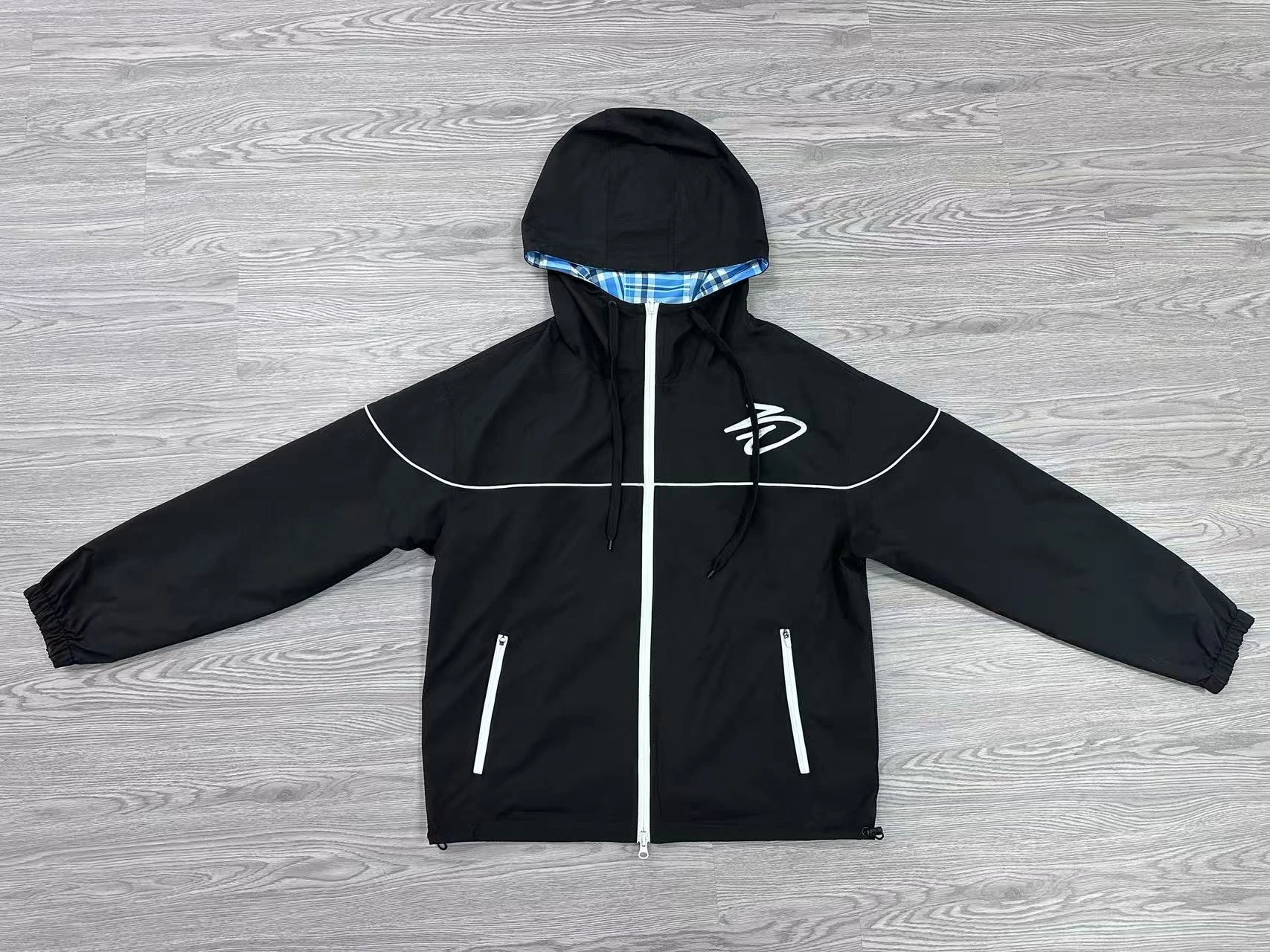
Private label manufacturing means the clothing is produced for your brand and finished with your branding details. Depending on the project, that can include custom neck labels, care labels, hangtags, packaging, embroidery, printing, and a garment developed from your own pattern or reference.
Private label is different from buying an unbranded catalog item and adding a logo at the end. A production-ready private label style needs clear measurements, fabric information, construction details, branding artwork, and an approval process that can be repeated for future orders.
1. Start with a clear product brief
Before contacting a manufacturer, collect the information that affects the product and quotation:
- Reference images, sketches, or an existing garment
- Target garment type, fit, size range, and quantity
- Fabric weight, composition, stretch, color, and finish
- Labels, artwork, trims, packaging, and decoration
- Delivery destination and target launch date
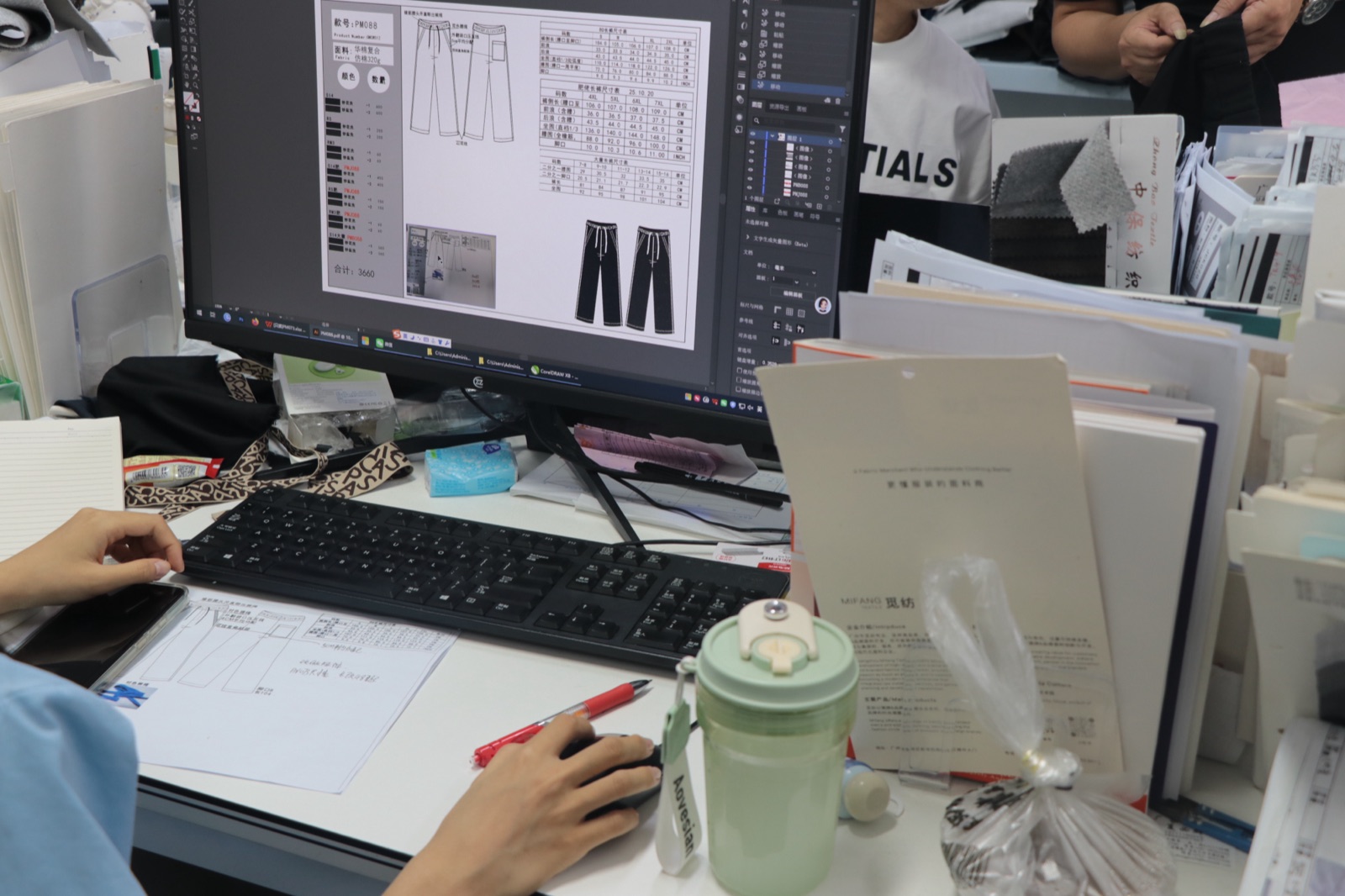
A complete tech pack and pattern-making service can organize this information into measurements and production instructions. If you only have a reference image, a development team should be able to explain what is still needed before sampling.
2. Check the MOQ and branding minimums
Ask whether the minimum order quantity applies per style, color, or total order. Private label accessories may have their own minimums: woven labels, printed care labels, custom packaging, and special trims can require separate quantities.
HaoboMFG supports private label apparel production from a 50-piece minimum order. The practical quantity depends on the style, fabric, trims, size breakdown, and the number of colorways. A written quotation should make every assumption visible so a small first run does not become an unexpected larger order.
3. Approve the sample before bulk production
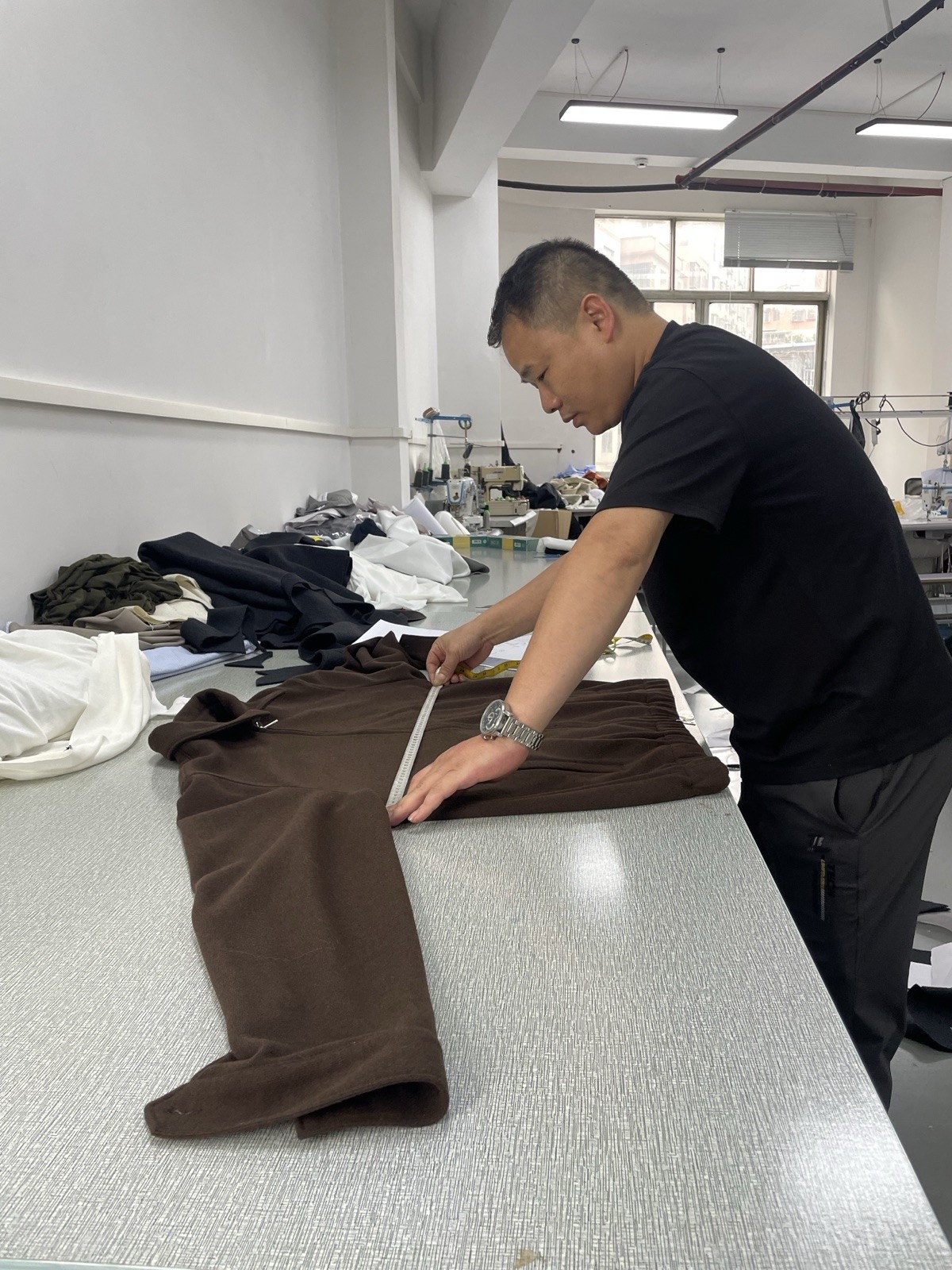
The sample is where a brand confirms fit, construction, materials, and branding placement. Do not approve bulk production from a digital mockup alone. Review the garment, measure the key points, check seams and finishing, and confirm that the labels and artwork match the approved files.
HaoboMFG’s clothing sample development workflow can begin with a tech pack, sketch, reference garment, or image. Sample development is typically completed within 15 days once the required details and materials are confirmed. Feedback should be recorded in one place so revisions do not create conflicting instructions.
4. Confirm fabric, trims, and custom labels
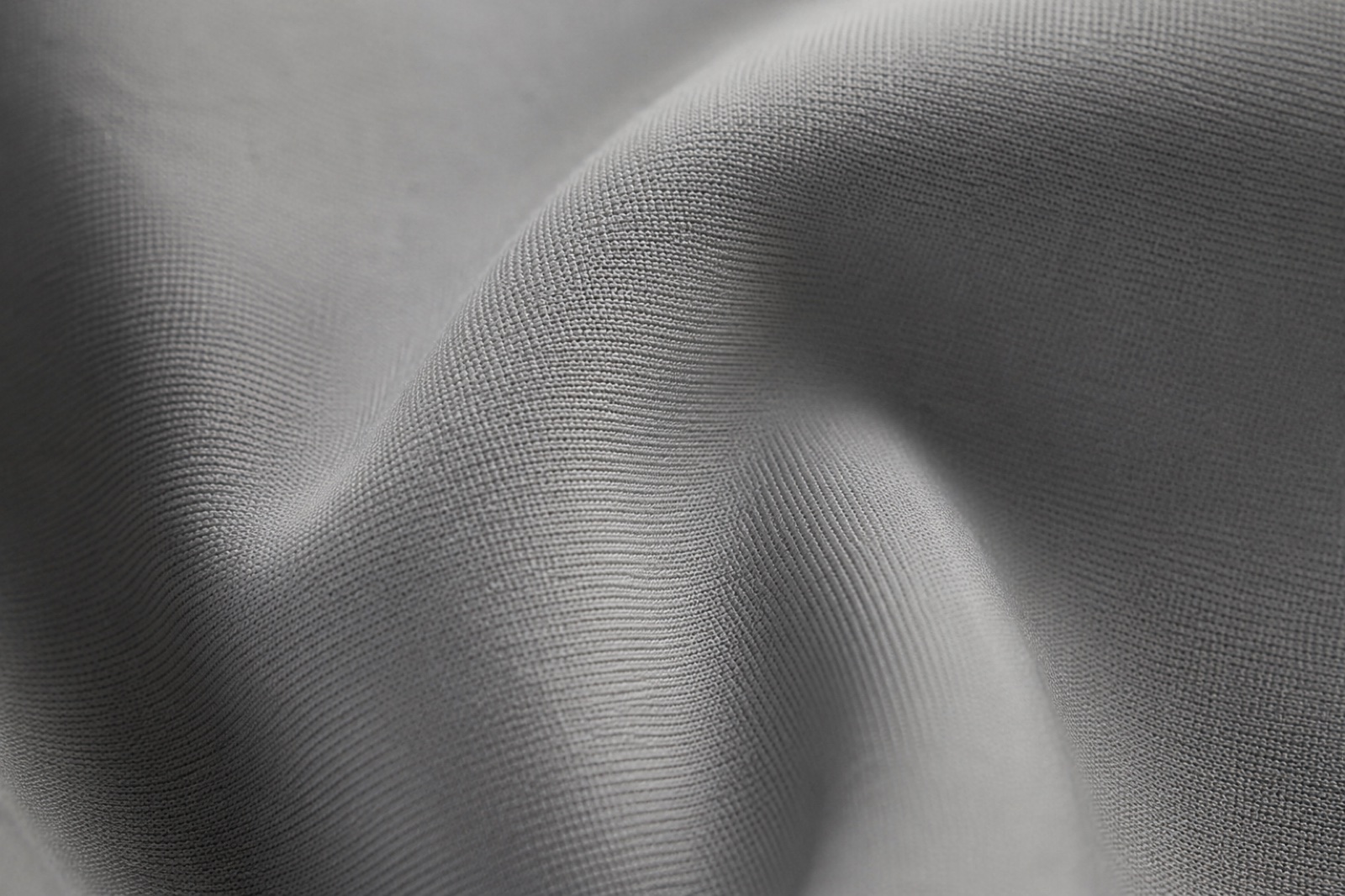
Fabric selection affects appearance, fit, shrinkage, comfort, and cost. Ask for swatches and confirm the composition, weight, stretch, recovery, color, and wash behavior. For private label products, also approve the exact label size, placement, thread color, print artwork, hangtag copy, and packaging format.
It is useful to keep a bill of materials with the approved sample. This gives the cutting and sewing team a single reference when the style moves into production and makes repeat orders easier to reproduce.
5. Evaluate quality control, not only the factory photos
A serious private label clothing manufacturer should be able to explain how quality is checked during production. Ask who verifies fabric and trims, measurements, stitching, decoration, labels, appearance, packing, and carton details.
HaoboMFG works with a professional QC team that checks materials, measurements, workmanship, production, final inspection, and packing. A clear QC plan helps a brand find issues while they are still practical to correct instead of discovering them after shipment.
6. Compare lead times and repeat-order capability
Ask for separate estimates for pattern work, sampling, material confirmation, bulk production, final inspection, and delivery. A low unit price is not helpful if unclear approvals delay the launch.
HaoboMFG normally plans bulk production at about one month after sample approval and material confirmation. The final schedule varies with the style, quantity, materials, and approval speed. A useful partner should also explain how the approved specifications will be stored for the next order.
Private label manufacturer checklist
- Can the team develop a pattern from a tech pack or reference image?
- Is the MOQ clear for each style, color, and branding component?
- Can the manufacturer source the requested fabric and trims?
- Are custom labels, packaging, and artwork included in the quotation?
- What measurements and QC checkpoints are recorded before shipment?
- Can the same approved sample and specifications be repeated?
Private label production for growing fashion brands
Many new brands start with a small run to test fit, demand, and customer feedback. Our low MOQ clothing manufacturer guide explains how to compare the first order without losing sight of repeat production.
A private label partner should make the next step clear, whether that is refining a pattern, selecting a fabric, producing a sample, or preparing an approved style for bulk. You can review the full apparel product development and manufacturing services or send your reference, quantity, and destination through the contact page.
Final takeaway
The right private label clothing manufacturer in China gives your brand control over the product and a repeatable process behind it. Look for clear specifications, practical MOQ terms, responsive sample development, verified materials, professional QC, and a timeline you can plan around. Those details are what turn a first branded order into a dependable production relationship.