REAL PROJECT CASE STUDY
How do you turn a streetwear brand’s outerwear concept into a wearable, reversible sample? This case study follows a sample development project for SHAKD, a New Zealand streetwear label, focused on a reversible trench coat.
The project was at the sample-development stage. The aim was to translate the brand direction into a two-sided garment, test the construction through sewing, and create a clear reference for fit, finishing, and any next revisions before bulk production.
Project brief: a reversible trench coat for SHAKD
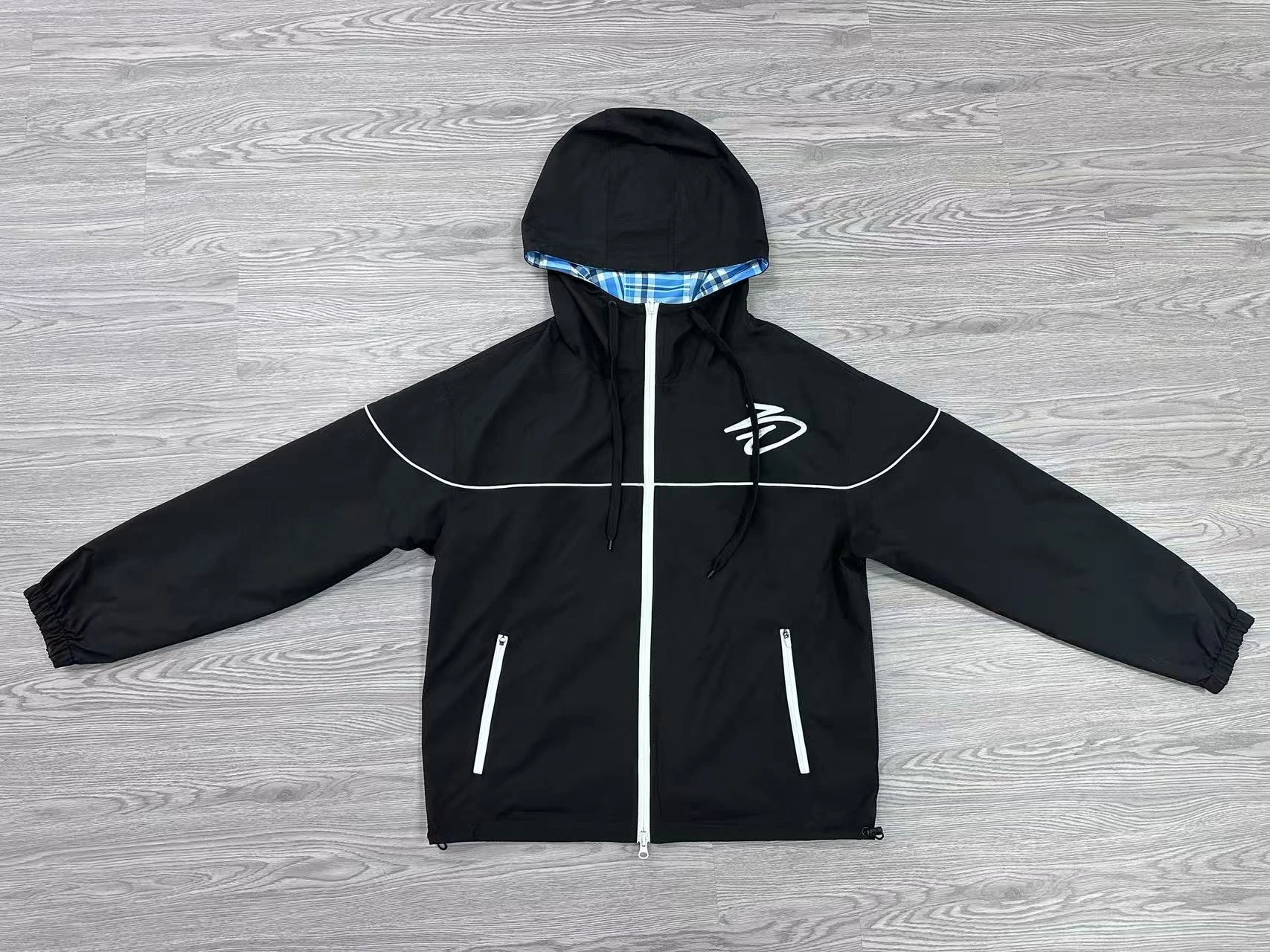
SHAKD needed a reversible trench coat sample with a clean appearance on both sides. For a reversible garment, the inside cannot be treated as an afterthought: seams, edge finishing, closures, labels, and the overall balance of the garment all need to work from either side.
At the beginning of a project like this, the development team reviews the reference images, design direction, measurements, fabric requirements, logo or label details, and the way the garment is expected to be worn. Where a detail is not yet fixed, it is identified before the sample is sewn so the brand can make a practical decision.
Why reversible outerwear needs careful sample development
A standard sample can hide many construction decisions inside the garment. A reversible trench coat makes those decisions visible. Both sides need a consistent shape, comfortable movement, neat finishing, and a practical way to handle the garment’s edges and openings.
- Two-sided appearance: both faces should look intentional and match the approved design direction.
- Construction planning: the pattern and sewing sequence must allow the garment to be turned and finished cleanly.
- Fit and balance: the coat must keep its intended silhouette when worn on either side.
- Finishing decisions: edge treatment, thread, labels, closures, and other trims need to suit the reversible concept.
How the SHAKD sample was developed
1. Review the design direction and technical details
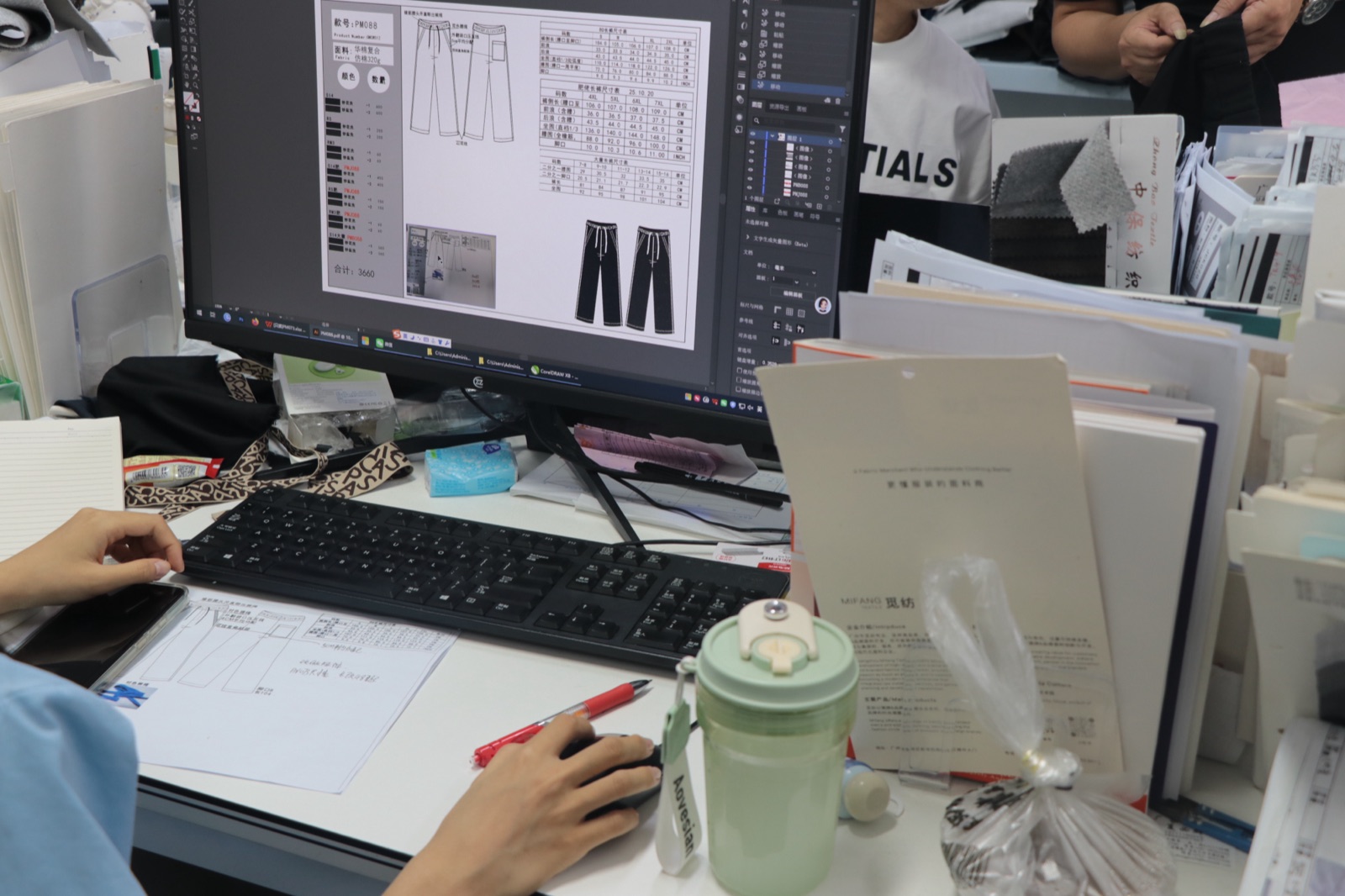
The first step is to understand what the brand wants the garment to communicate and which details are production-critical. A reference image, sketch, existing garment, measurement chart, or tech pack can all help define the starting point.
2. Plan the pattern and two-sided construction
For reversible outerwear, the pattern team considers the relationship between the two sides, the joining points, the finished edges, and the movement required from a trench coat. These decisions are checked before sewing so the first sample tests the right construction rather than only the outer appearance.
3. Prepare the sample materials and trims
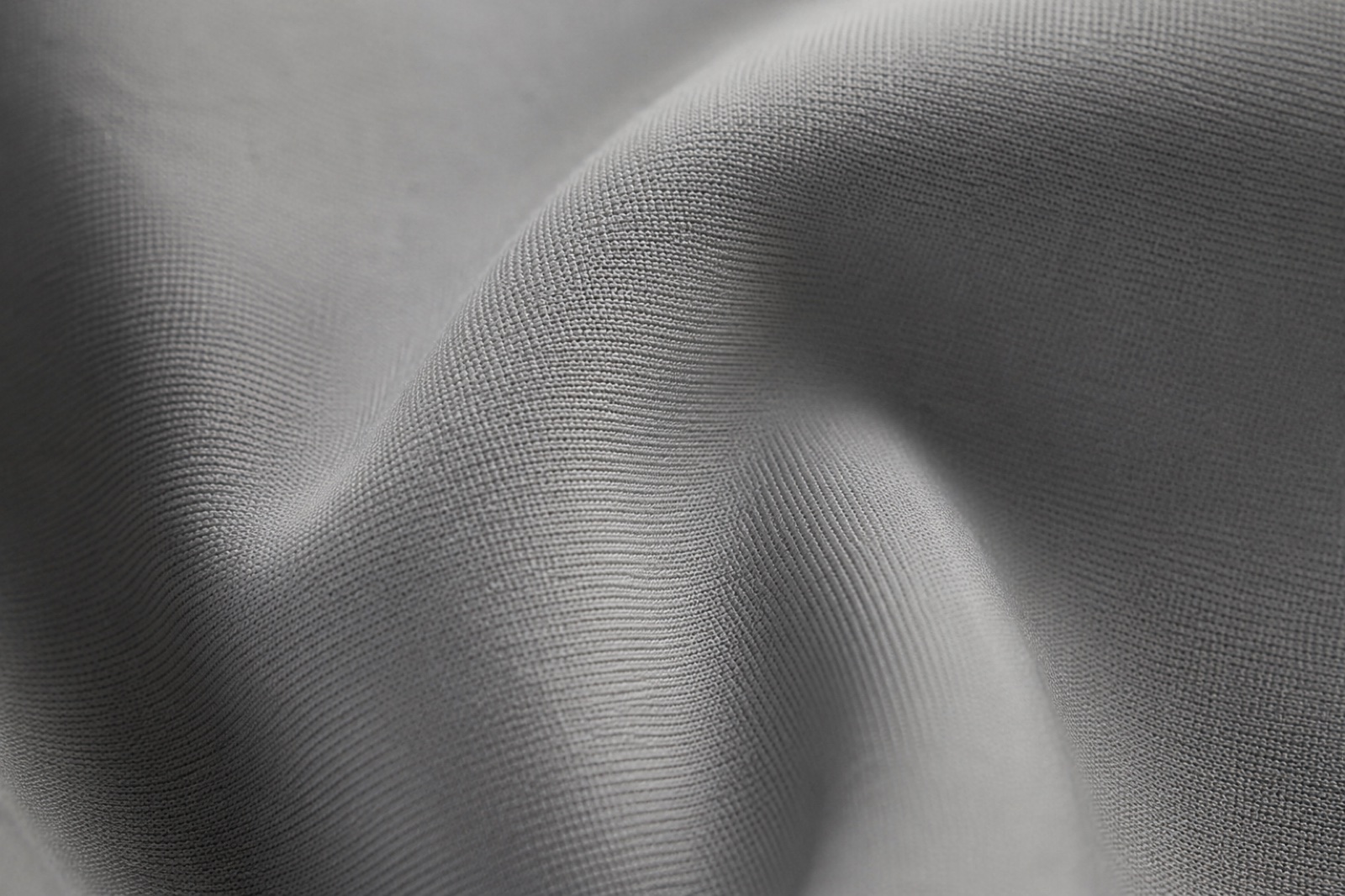
Fabric weight, hand feel, drape, recovery, and surface appearance can change the result of a reversible garment. The development team confirms the available materials and records any open choices so the brand can compare the sample against the intended product.
4. Sew and review the sample
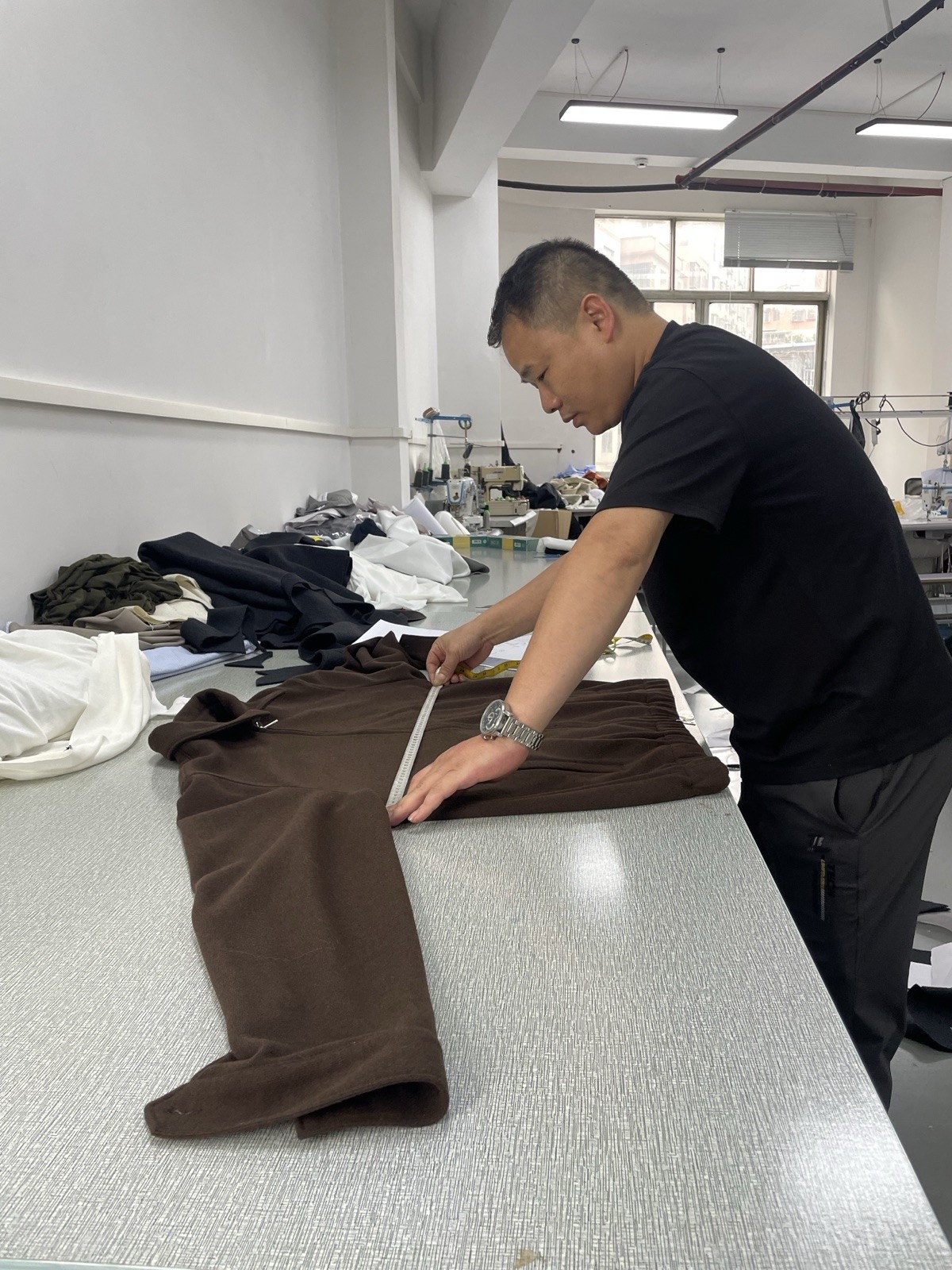
The accompanying video shows the hands-on sewing stage inside the garment factory. It gives the brand a closer look at how the sample is assembled and why the sewing sequence matters when a garment needs to present a finished look on both sides.
Watch the reversible trench coat sample sewing video on YouTube.
5. Record fit and finishing changes
A sample is useful when it creates a clear record for the next decision. After review, the brand can comment on measurements, silhouette, construction, finishing, material, and decoration. Marked-up photos and a written revision list help the next version move toward approval.
What a brand should review before approving a reversible coat sample
- Does the coat keep the intended silhouette on both sides?
- Are the edges, seams, and openings clean and comfortable?
- Do the fabric weight and drape support the intended fit?
- Are labels, logos, closures, and trims positioned as agreed?
- Are the measurement points and revision notes clear enough for bulk production?
Start with the information you already have
You do not need a perfect tech pack to begin a discussion. Send a reference image, sketch, existing garment, target quantity, fabric direction, logo details, and delivery country. HaoboMFG can help identify the missing production decisions before sample development begins.
How HaoboMFG supports sample development
HaoboMFG supports fashion brands from reference review and pattern preparation through material coordination, sample sewing, fit feedback, and production preparation. Our normal sample-development target is within 15 days after the design, materials, measurements, and decoration details are confirmed; the final timing depends on the project requirements.
For a similar reversible outerwear project, start with our clothing sample development service or tech pack and pattern-making service. To discuss your own garment, send the reference and quantity through our contact page or WhatsApp.