QUALITY GUIDE
A useful apparel quality control checklist turns a general expectation of “good quality” into specific checkpoints. It gives the brand and factory the same reference before production begins.
1. Fabric and trim inspection
Before cutting, check fabric composition, color, width, weight, hand feel, visible defects and shade consistency. Confirm that rib, drawcords, zippers, buttons, labels and other trims match the approved sample or specification.
2. Measurement checkpoints
Use the approved measurement chart and tolerance range. Check key points such as body length, chest, shoulder, sleeve length, waist, rise and leg opening according to the garment type. Measurements should be reviewed on the sample and during production.
3. Seam and construction inspection
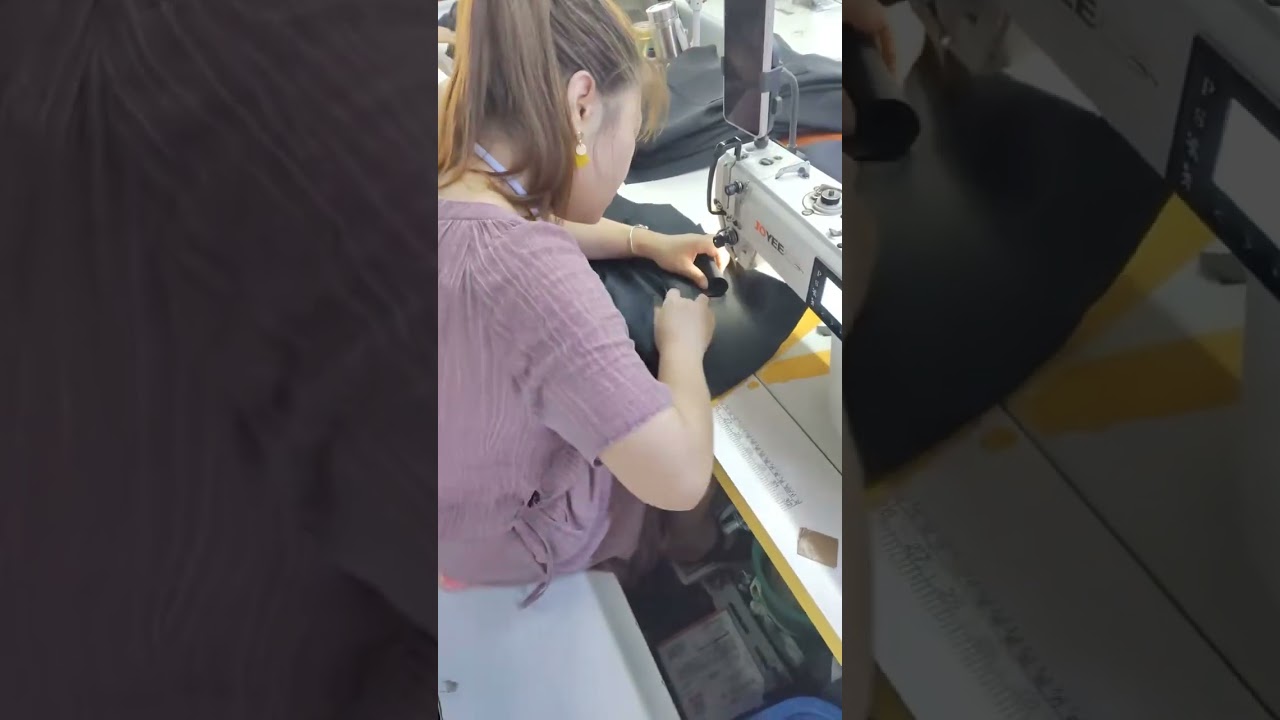
Inspect stitch density, seam allowance, thread tension, skipped stitches, puckering, loose threads, seam strength and construction details. Pay special attention to stress points, pockets, collars, cuffs, plackets and zippers.
4. Artwork and branding placement
Compare screen prints, DTF transfers, embroidery, woven labels and care labels with the approved artwork. Check size, color, position, orientation and adhesion or stitch quality.
5. Inline inspection
Inline inspection finds problems while production is running. It is the opportunity to correct cutting, sewing, measurement or artwork issues before the full order is completed.
6. Final and packing inspection
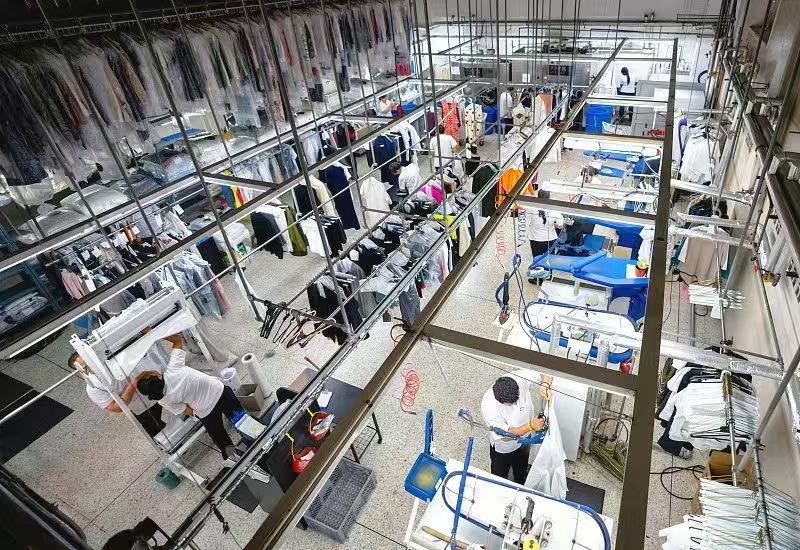
Before release, check finished appearance, measurements, workmanship, stains, pressing, folding, quantity, size ratio, polybags, cartons and shipment marks. The final inspection should match the approved packing instructions.
How to use the checklist
Share the checklist during sample development and attach it to the production brief. When the approved sample, measurement chart and artwork are clear, the apparel quality control process becomes more consistent and easier to review.