LOW MOQ APPAREL PRODUCTION
Choosing a low MOQ clothing manufacturer is one of the most important decisions for a growing fashion brand. A smaller first order can reduce inventory risk, but only if the factory can still deliver consistent fit, fabric quality, construction, and communication.
This guide explains what to check before you select a low MOQ clothing manufacturer in China, from sampling and materials to quality control and repeat production.
What does low MOQ mean in clothing manufacturing?
MOQ means minimum order quantity. In apparel, the number may be quoted per style, per color, or for the whole order, so always ask the manufacturer to clarify the calculation. A low MOQ program is designed for brands that want to test a collection, launch a new product, or reorder a proven style without committing to a large inventory position.
HaoboMFG works with a minimum order quantity of 50 pieces per style and color and supports OEM and ODM development. The right quantity depends on the garment, fabric, trims, size breakdown, and production plan—not only the headline MOQ.
1. Confirm what is included in the MOQ
Ask whether the MOQ applies to one style, one color, or one size run. Also confirm whether custom labels, embroidery, printing, special washes, and packaging have separate minimums. A clear quotation should list the style, color, size range, fabric, trims, branding, packing method, and destination.
For a first collection, a useful approach is to keep the number of fabric and trim variations manageable. This makes a small production run easier to control while still allowing the brand to test demand.
2. Start with a production-ready sample
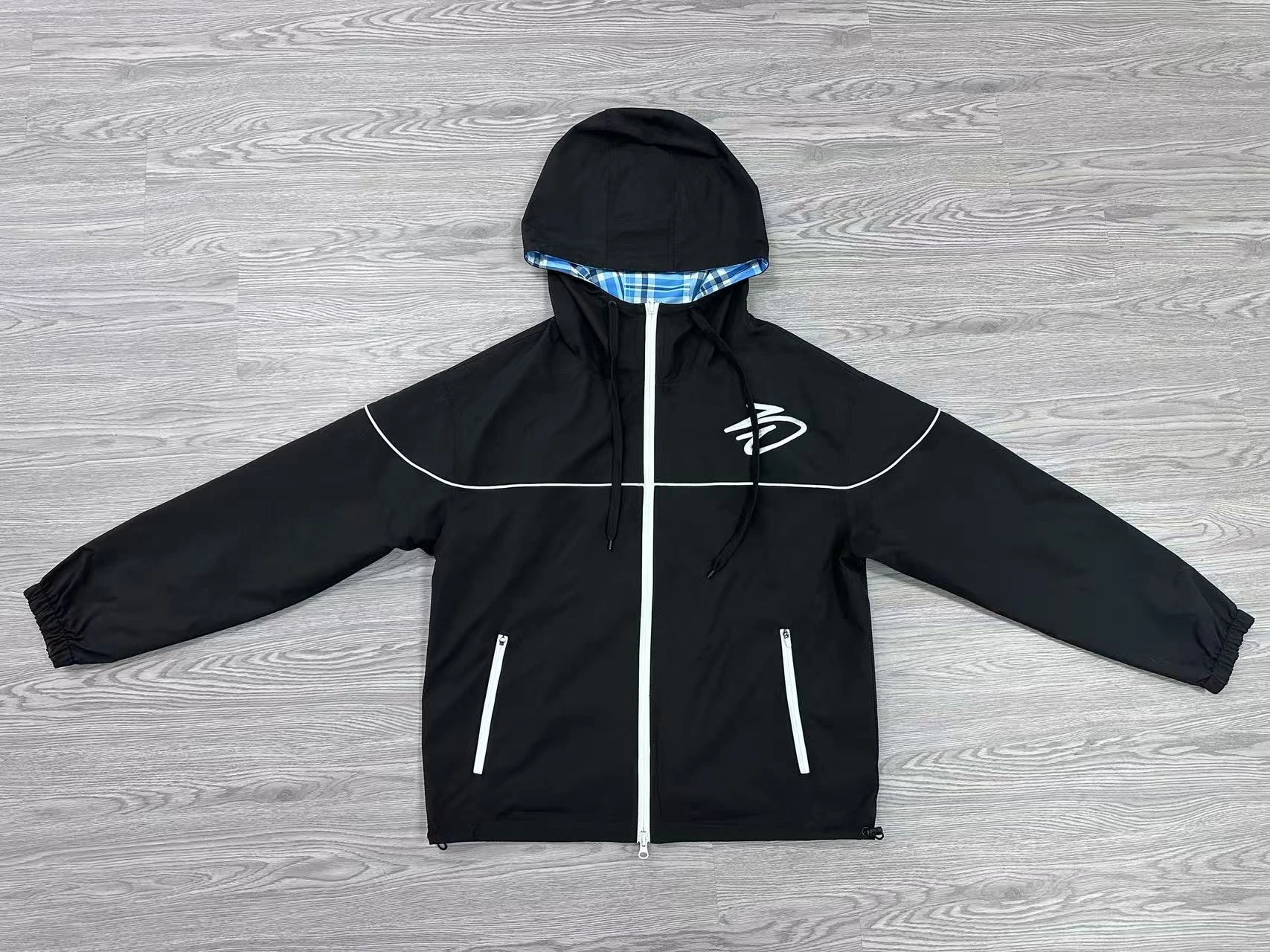
A low MOQ does not remove the need for a properly approved sample. Before bulk production, the factory should confirm the pattern, measurements, fabric behavior, construction, and finishing. A reference photo can start the conversation, but a clothing sample development process turns the idea into something that can be measured and reproduced.
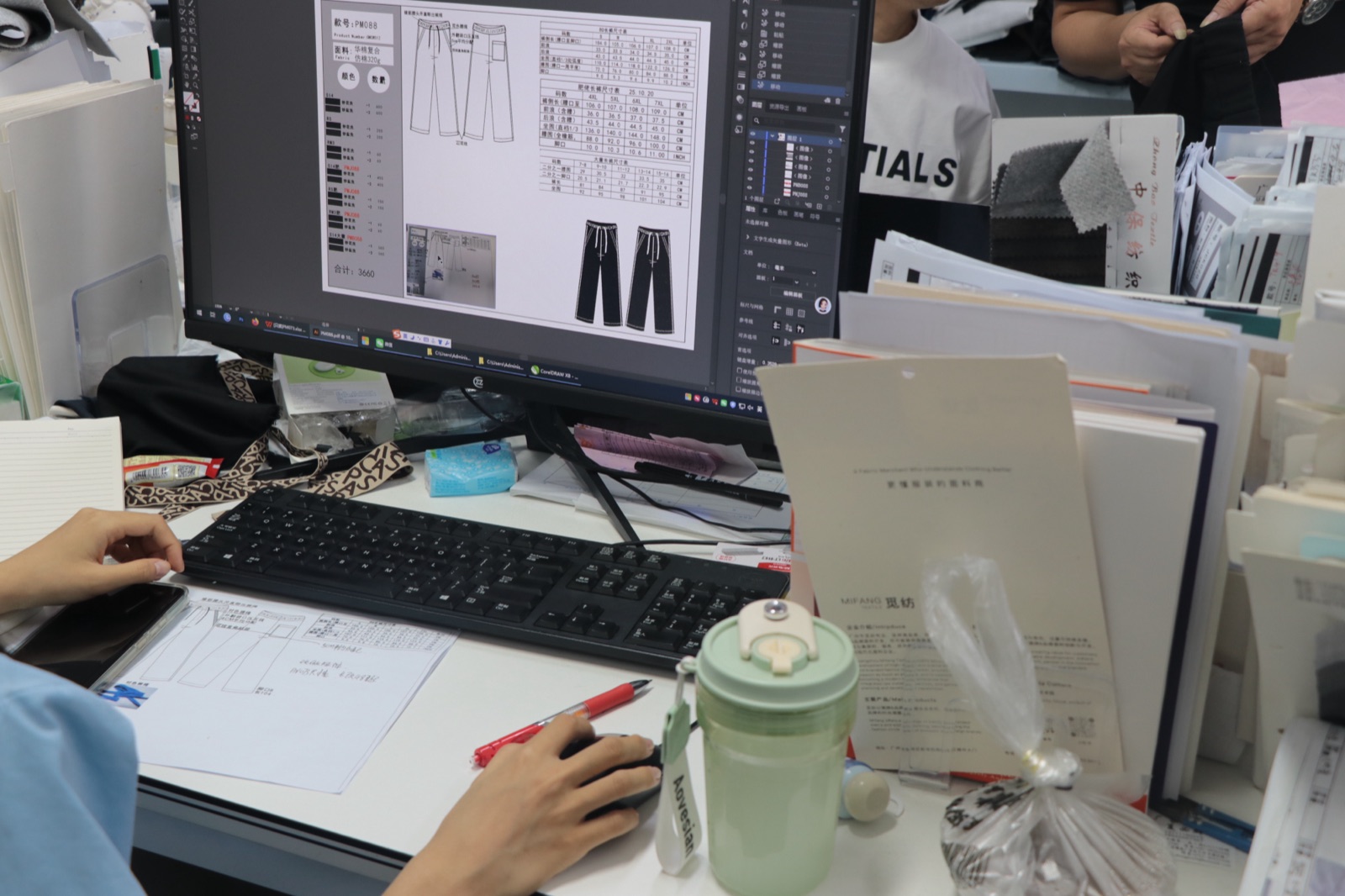
Send a tech pack or measurement chart when available. If the design is still at the concept stage, include sketches, reference garments, target fabric, size range, and the details that matter most to the fit. HaoboMFG typically completes sample development within 15 days after the required information and materials are confirmed.
3. Check fabric and trim sourcing before you place the order
Fabric weight, stretch, shrinkage, colorfastness, recovery, and hand feel can change the final garment. A responsible low MOQ clothing manufacturer should explain which materials are available at your quantity and whether a custom fabric needs a larger minimum.
Ask for fabric swatches and confirm the approval process. Labels, zippers, buttons, drawcords, elastics, and packaging should also be recorded in the production specification so the approved sample and bulk order stay aligned.
4. Look for a documented QC process
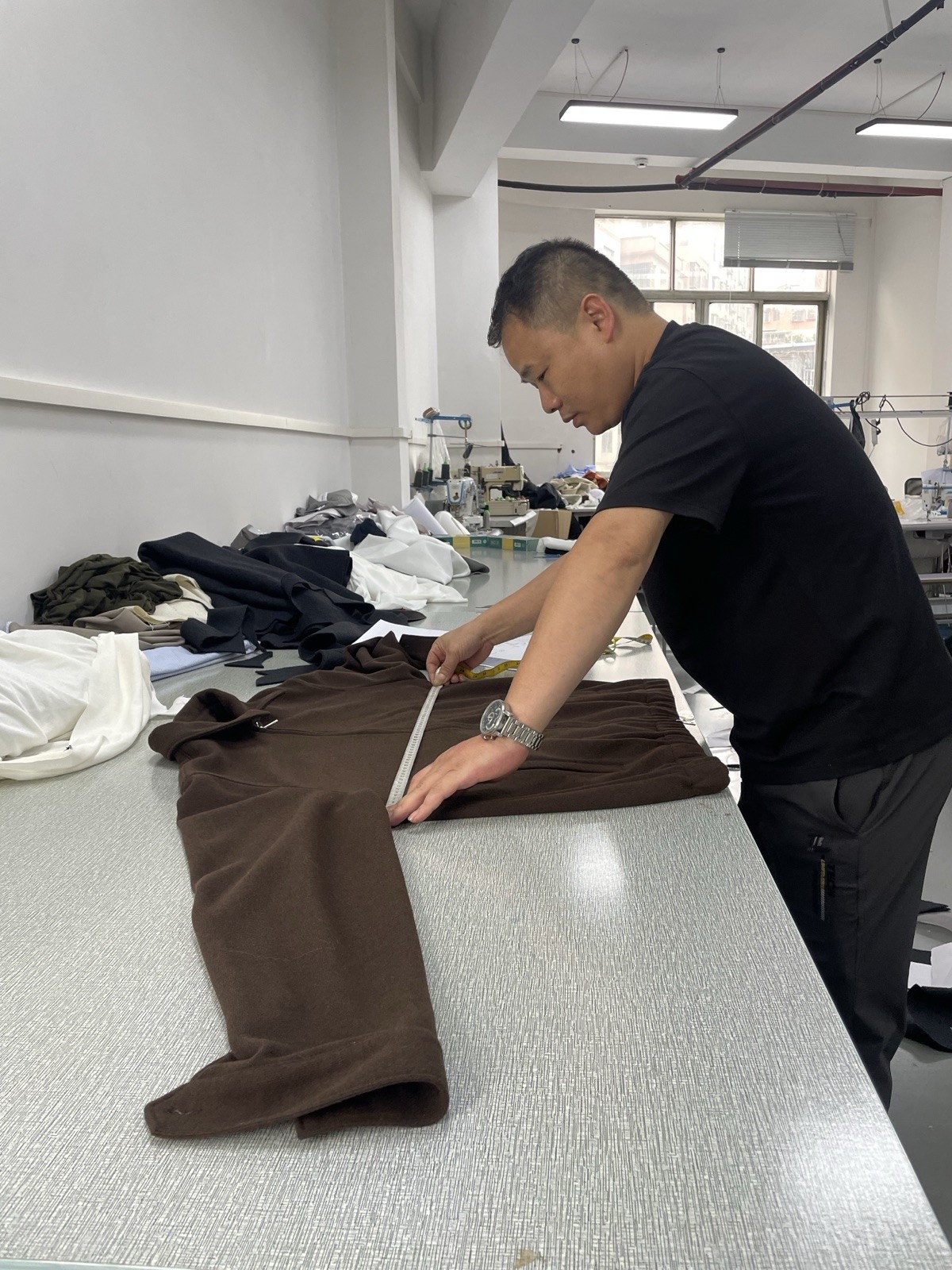
Small orders still need professional quality control. Ask who checks measurements, stitching, appearance, branding, packing, and carton details. A practical process includes in-line checks during sewing, a final inspection before shipment, and a record of any corrections.
HaoboMFG uses a professional QC team to review production quality and help keep approved details consistent. This matters when a brand is using the first small run to decide whether to reorder or scale the style.
5. Compare the timeline, not only the unit price
A low quote is not useful if revisions, material delays, or unclear approvals push your launch back. Ask for separate timing for sampling, material confirmation, bulk production, inspection, and export delivery. HaoboMFG plans bulk production at about one month in typical cases, with the final schedule depending on style complexity, materials, quantity, and approval speed.
Questions to ask a low MOQ clothing manufacturer
- Is the MOQ per style, color, or total order?
- Can you develop the pattern and sample from a reference image?
- Which fabrics and trims are practical at my quantity?
- How are measurements and workmanship checked before shipment?
- What is the sample timeline and expected bulk lead time?
- Can the same approved specifications be repeated for the next order?
How to choose the right production partner
Look for a manufacturer that can explain the complete path from concept to delivery, not only the sewing step. Services such as tech pack and pattern making, fabric sourcing, sample development, cut-and-sew production, and QC should connect into one clear workflow.
You can review HaoboMFG’s apparel development and manufacturing services to see how the stages fit together. If you already have a design, send the reference image, target quantity, and delivery destination through the contact page for a practical next step.
Final checklist before approving a small production run
- Approved sample and measurement chart
- Confirmed fabric, trims, labels, and packaging
- Written MOQ and size/color breakdown
- Bulk price, payment terms, and delivery terms
- QC checkpoints and final inspection plan
- Production and shipping timeline
A low MOQ works best when the manufacturer treats the first order as the foundation for repeatable production. Clear specifications, a measured sample, and documented QC give a small brand a safer way to test demand and scale the styles that perform.